



Ratio cut to handle risks, trade barbs









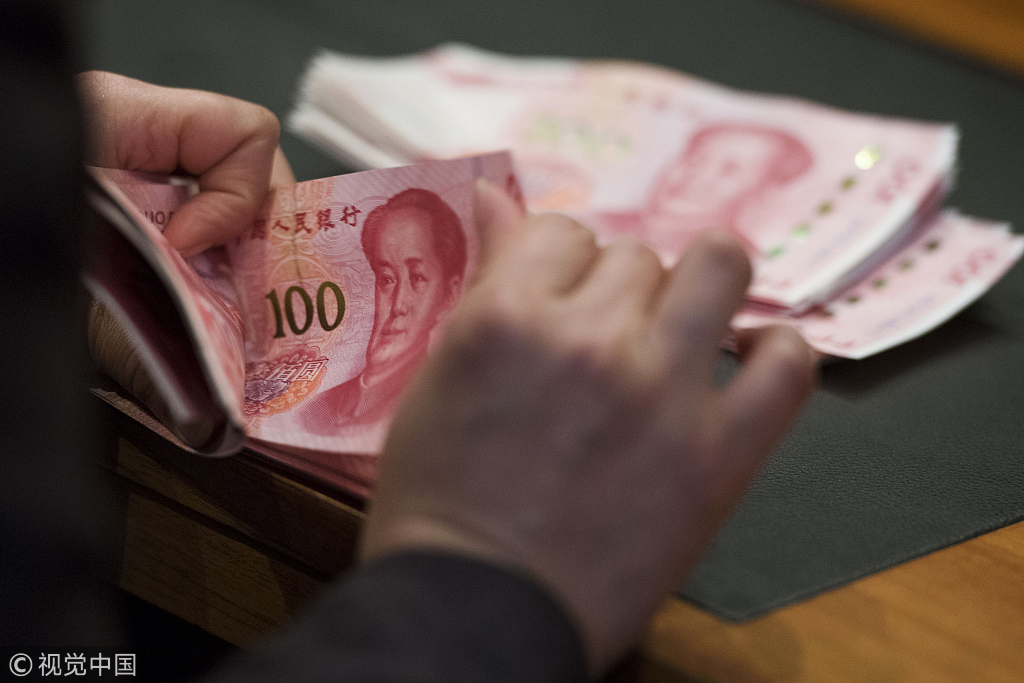
China's proactive move of further cutting banks' cash reserve requirements and moving money into targeted sectors may relieve corporate credit pressure from debt reduction and cushion the impacts of a potential Sino-US trade war, said analysts.
They expect the central bank to continue liquidity management operations similar to Sunday's move once or twice more this year. Such moves are expected to offset internal growth pressures and external tariff headwinds.
Following a 1 percentage point cut of the reserve requirement ratio in April-an increase of 400 billion yuan ($61 billion) in liquidity for certain banks-the People's Bank of China, the central bank, announced another reserve ratio cut of half a percentage point for a wider range of banks to free up 700 billion yuan starting on July 5.
The released funds will be specially used to support the debt-to-equity swap program and lending to small and micro-sized companies.
Zhu Haibin, chief China economist and head of China equity strategy at J.P. Morgan, said the country's weaker-than-expected domestic demand in May and escalation of Sino-US conflicts were seen as the two major factors triggering monetary policy adjustments since April. Zhu forecast two more ratio cuts within 12 months.
The Sunday ratio cut news "may be partly intended to generate a bigger positive impact on market sentiment", said a research note from Goldman Sachs.
However, this may not be enough to cushion the impact of the escalating trade and investment friction, said Iris Pang, an economist with Dutch bank ING. She expects the next ratio cut in October, of 0.5 percentage point.
Some economists warned that further liquidity easing is likely to boost asset prices in the property market.
Zhang Ming, a researcher with the Chinese Academy of Social Sciences, warned the PBOC to avoid consecutive monetary easing unless macroeconomic indicators show sharp deteriorations or wide fluctuations hurt the market.








