Learning English: Lessons for students and teachers









More than 1,800 English teachers and leading experts in English teaching from home and abroad gathered in Shanghai on Friday for 2018 TESOL China Assembly, an international conference intended to strengthen dialogue and exchanges between China and the world in English education.
The three-day event, with the theme “English Education in China: Striding into a New Era”, is jointly hosted by the TESOL (Teachers of English to Speakers of Other Languages) International Association, an organization based in the United States that is committed to advancing excellence in English-language teaching, China Daily and Shanghai International Studies University.
Here are some highlights from a panel on language education policy.
Cai Jigang, an English-language professor at Fudan University, Shanghai
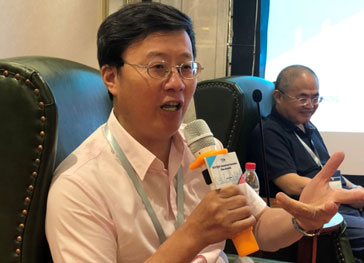
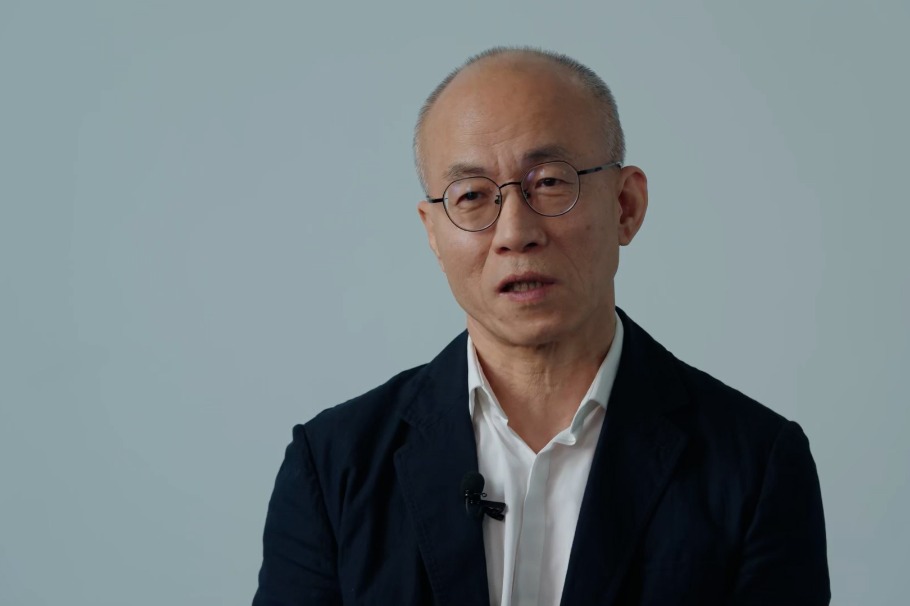
The promotion of English as a medium of instruction (EMI) in universities is of great significance. EMI will exert a profound influence on the transformation of English education at universities, shifting from teaching English for general purposes to teaching English for academic purposes. EMI facilitates students to access the latest information in their respective disciplines and may ultimately lead to cultivating a batch of young professionals, including scientists and engineers, who have stronger international competitiveness and help universities reach world level. Compared with neighboring countries, such as Japan and South Korea, the EMI proportion in Chinese universities is much lower so far.
Lu Ziwen, an expert of foreign language education with the Xingyi Normal University for Ethnic Minorities in Guizhou province
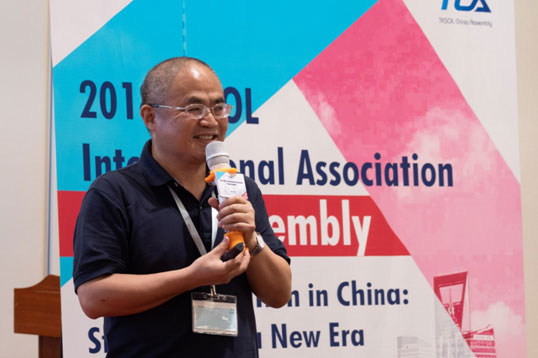
We recently interviewed 161 students of ethnic minorities in seven provinces and autonomous regions for a study, and unfortunately as high as 78 percent of them said they dislike learning English. Among those who don’t like learning the language, many said they learn it because it’s required by the country's education policy. As for how they learn English and what level they could reach, that mainly depends on the students' own will.
Ester de Jong, TESOL president (2017-2018) and a professor at the University of Florida
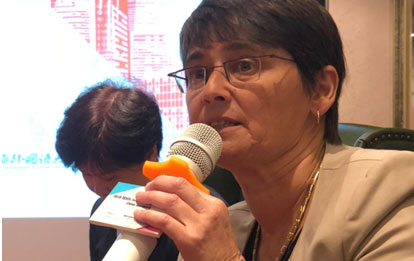
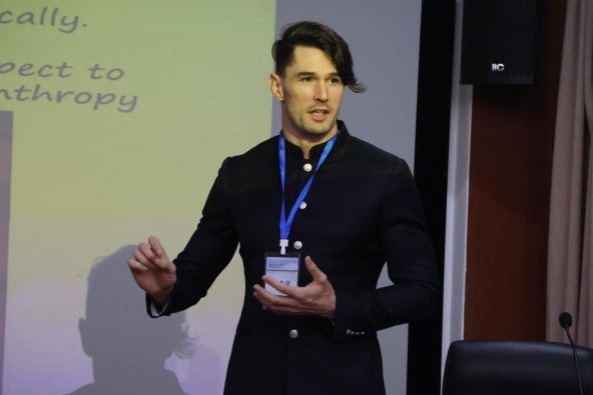
Language education policy involves complex top-down and bottom-up processes and many levels, such as the national, district, and institutional levels for policy making. But teachers play an ultimate part in the process as they are fundamentally those who implement the policy in the classrooms and they can select teaching materials and decide how to use the materials.