
综合一区欧美国产,99国产麻豆免费精品,九九精品黄色录像,亚洲激情青青草,久久亚洲熟妇熟,中文字幕av在线播放,国产一区二区卡,九九久久国产精品,久久精品视频免费

Shirley Williams
British politician and academic
BORN:

July 27, 1930, in Chelsea, London

EDUCATION:

BA in philosophy, politics and economics at Somerville College, Oxford University

Fulbright Scholarship at Columbia University, New York

POLITICAl PARTY:

Pre-1981: Labor

1981-1988: Social Democratic Party

1988-Present: Liberal Democrats

CAREER:

Aug 1967-Oct 1969: Minister for education and science

1987 – 2001: Professor of Elective Politics at Harvard’s Kennedy School of Government

July 1982 – Aug 1987: President of the Social Democratic Party

Sept 1976 – May 1979: Secretary of State for Education and Science

Mar 1974 – Sept 1976: Secretary of State for Prices and Consumer Protection

May 1973 – Mar 1974: Shadow Secretary of State for Prices and Consumer Protection

Oct 1971 – May 1973: Shadow Home Secretary

June 1970 – Oct 1971: Shadow Secretary of State for Health and Social Services

Oct 1969 – June 1970: Minister of State for Home Affairs

Aug 1967 – Oct 1969: Minister of State for Education and Science

Minister's 1978 visit opened door to UK universities
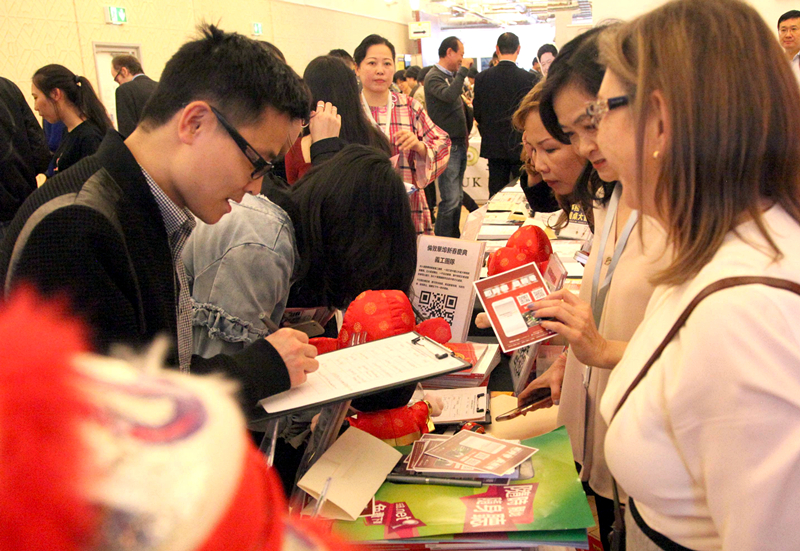
Education secretary sealed agreement that saw nearly 500 Chinese students head to Britain in 1979
Wang Mingjie in London
Chinese students attend a welcome and orientation event organized by Chinese communities in the United Kingdom in London.Zhang Ping / China News Service

Education secretary sealed agreement that saw nearly 500 Chinese students head to Britain in 1979

Before 1978, only a few dozen Chinese students had attended British universities, but that changed the following year, when hundreds made the journey.

The turnaround followed a visit to China by then UK education secretary Shirley Williams in July 1978, just as the country was embarking on reform and opening-up. She urged China to embrace foreign thinking and education.

One visible sign of change after Deng Xiaoping became the nation's leader in the late 1970s was the realization that foreign knowledge would aid modernization.

As a result, the Chinese government invited a British delegation, led by Williams, to discuss how more Chinese students could enroll at British universities, allowing China to catch up with Western technology.

Looking back, "it was a huge step", Williams said. "It was recognition that China is part of the global world. And it was a move toward being internationally recognized, because, for quite a long time, China didn't think it could learn from other countries anymore."

The change demonstrated China's commitment to building new international relations and encouraging its businesspeople to interact with the British market system.

Williams lauded Deng's contribution to the reform process, saying: "Deng was an amazing leader and he opened the doors. Not only did he talk about China to the West, but he also talked about the West to China. He was a remarkable and successful leader."

Recalling her first visit, Williams said she was met by the equivalent of the minister of education, quite a few civil servants and lots of head teachers.

"Education can be a rather closed world, and they were all fascinated," she said. "They just loved sitting there and talking, limited by translation obviously."

Translation was provided by her niece, who was studying Mandarin in China at the time. "My niece was able to say, 'You ought to ask about that (issue) because they haven't touched on that yet,'" she joked.

She said that during her 1978 visit, the dialogue with the Chinese government was mainly about primary education.


1 2 Next   >>|
Shirley Williams
British politician and academic
BORN:

July 27, 1930, in Chelsea, London

EDUCATION:

BA in philosophy, politics and economics at Somerville College, Oxford University

Fulbright Scholarship at Columbia University, New York

POLITICAl PARTY:

Pre-1981: Labor

1981-1988: Social Democratic Party

1988-Present: Liberal Democrats

CAREER:

Aug 1967-Oct 1969: Minister for education and science

1987 – 2001: Professor of Elective Politics at Harvard’s Kennedy School of Government

July 1982 – Aug 1987: President of the Social Democratic Party

Sept 1976 – May 1979: Secretary of State for Education and Science

Mar 1974 – Sept 1976: Secretary of State for Prices and Consumer Protection

May 1973 – Mar 1974: Shadow Secretary of State for Prices and Consumer Protection

Oct 1971 – May 1973: Shadow Home Secretary

June 1970 – Oct 1971: Shadow Secretary of State for Health and Social Services

Oct 1969 – June 1970: Minister of State for Home Affairs

Aug 1967 – Oct 1969: Minister of State for Education and Science

Minister's 1978 visit opened door to UK universities

Education secretary sealed agreement that saw nearly 500 Chinese students head to Britain in 1979
Wang Mingjie in London
Chinese students attend a welcome and orientation event organized by Chinese communities in the United Kingdom in London.Zhang Ping / China News Service

Education secretary sealed agreement that saw nearly 500 Chinese students head to Britain in 1979

Before 1978, only a few dozen Chinese students had attended British universities, but that changed the following year, when hundreds made the journey.

The turnaround followed a visit to China by then UK education secretary Shirley Williams in July 1978, just as the country was embarking on reform and opening-up. She urged China to embrace foreign thinking and education.

One visible sign of change after Deng Xiaoping became the nation's leader in the late 1970s was the realization that foreign knowledge would aid modernization.

As a result, the Chinese government invited a British delegation, led by Williams, to discuss how more Chinese students could enroll at British universities, allowing China to catch up with Western technology.

Looking back, "it was a huge step", Williams said. "It was recognition that China is part of the global world. And it was a move toward being internationally recognized, because, for quite a long time, China didn't think it could learn from other countries anymore."

The change demonstrated China's commitment to building new international relations and encouraging its businesspeople to interact with the British market system.

Williams lauded Deng's contribution to the reform process, saying: "Deng was an amazing leader and he opened the doors. Not only did he talk about China to the West, but he also talked about the West to China. He was a remarkable and successful leader."

Recalling her first visit, Williams said she was met by the equivalent of the minister of education, quite a few civil servants and lots of head teachers.

"Education can be a rather closed world, and they were all fascinated," she said. "They just loved sitting there and talking, limited by translation obviously."

Translation was provided by her niece, who was studying Mandarin in China at the time. "My niece was able to say, 'You ought to ask about that (issue) because they haven't touched on that yet,'" she joked.

She said that during her 1978 visit, the dialogue with the Chinese government was mainly about primary education.

泾阳县| 沾化县| 台北县| 寿宁县| 大埔县| 巴青县| 南溪县| 鱼台县| 大庆市| 木里| 雅安市| 平湖市| 金塔县| 宿州市| 噶尔县| 通化县| 内黄县| 浑源县| 海宁市| 郑州市| 惠东县| 丹棱县| 察雅县| 马公市| 江源县| 青浦区| 大余县| 宁阳县| 巴东县| 济阳县| 望江县| 伊金霍洛旗| 五指山市| 日喀则市| 峨边| 阳江市| 乾安县| 阳山县| 玉屏| 枞阳县| 来宾市|