Xinjiang farmers 'plant' nylon in cornfields









URUMQI - Ma Guoyi, a farmer in Wusu city in Northwestern China's Xinjiang Uygur autonomous region, was blown away when he realized that his harvest could be used for green textile materials as opposed to food and forage.
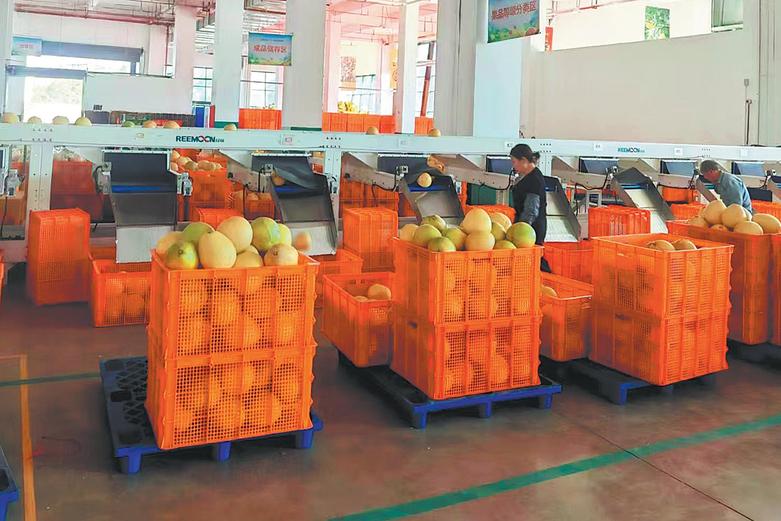
Wusu is a leading producer of corn and cotton in Xinjiang, and as a major stop of the China Railway Express, the city lies along the new Eurasian Continental Bridge. Farmers like Ma in Wusu are benefiting from such convenience and the new uses of their crops.
"Normally, nylon is made from petroleum, but we can use crops such as corn and wheat to make recyclable and environment-friendly nylons," said Wang Hongbo, deputy manager of Cathay Industrial Biotech's Wusu branch, a Shanghai-based producer of bio-based materials.
"By the end of this year, we expect to buy 300,000 to 400,000 tons of corn, wheat and corn stalks from farmers in Wusu," Wang said.
"I could only earn up to 600 yuan (87 US dollars) per mu (0.07 hectare) of cornfield before I sold my crops to factories such as Cathay Industrial Biotech," said Ma. "Now I can sell them for twice that amount."
"There are about 2,000 mu of arable land in our village, most of which are used to grow corn," Ma said. "I never imagined that I could 'plant' nylon in cornfields."
Wang said that his company saw the economic potential of Wusu given its location along the Belt and Road and its large-scale production of staple crops.
"Most of our orders come from Europe, especially Germany and other industrial economies," said Wang.
For the past seven years, Wusu has been seeing trains loaded with Chinese products rumbling to European countries. China's trade in goods with countries along the Belt and Road has exceeded 5.5 trillion US dollars over the past five years.
According to statistics, the output of China's biotechnology industry is expected to rise to 8 to 10 trillion yuan (1.21 to 1.51 trillion US dollars) by 2020, and the added value of the biotech industry will account for over 4 percent of the country's GDP by 2020.
"Although the industry of bio-based products in China still remains on a small scale compared with the petrochemical industry, it has a huge potential in the future," said Wang.




- Intl students showcasing global business acumen in Shanghai
- CPC expels former senior official of Guangxi
- Shanghai university unveils sustainable, efficient water treatment system
- Fire at auto business park in Jiangsu claims one life
- Magnitude 6.0 earthquake strikes Akqi county in Xinjiang
- Shenzhou XXI team to carry out first spacewalk