



Robotic recruiter









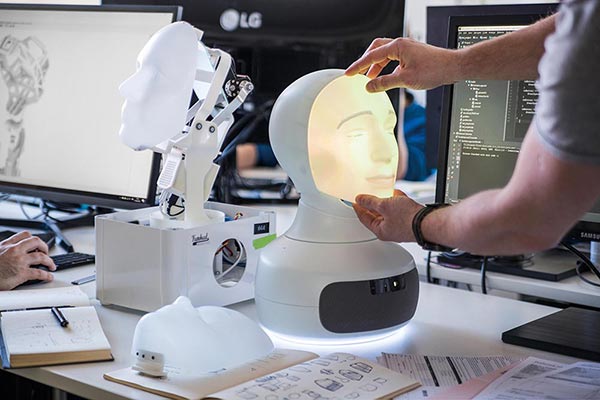
What is the greatest advantage with Tengai?
In addition to getting a more objective and structured process, we avoid the unconscious bias we all have. By doing this in the early-selection stage, we shift the subjectivity further along the process, where it is less damaging. Additionally, we're able to invite more candidates to participate in the recruitment processes' early stages, allowing for greater diversity by ensuring a better and broader selection of talent.
What we can risk losing is the detail and personalisation that can give a complete picture of a candidate's suitability for a position. On the other hand, Tengai is designed to be used at the beginning of a selection process, where it's advantageous to be objective and skill-focused to find the competencies needed for the job. In-depth assessment by an experienced recruiter, trained in unbiased recruitment, of a candidate's experience, potential and motivation is conducted with the talent who progress further in the process.
An unbiased robot – is it possible? How do you ensure that the robot's information-gathering is unbiased?
Tengai only records candidates' speech, which it converts into text in real time. No other variables are involved, such as a person's accent or the pitch of their voice, their looks or gender. Furthermore, we don't let Tengai know anything about the candidates; the only thing we have access to are the candidates' names and email addresses – and we don't use this information for the purpose of identifying specific candidates. That way we keep biases out of the interview. But we do plenty more, too.
What do you teach the robot? Why is it needed? And what is the human recruiter's role in this?
The robot has been developed for many years by the company Furhat Robotics. What we are doing is developing HR-tech application software, built together with Furhat on their existing OS. What we teach it is how to conduct situation- and skill-based interviews as close as possible to a human recruiter. This includes anything we do as a recruiter – like how we hum, nod our heads and ask follow-up questions. This project started in August 2018. We then established a question tree and all the social skills associated with it. In recent months, we've adjusted some of the dialogue in Swedish so it feels as natural as possible.












