



Concerted efforts spur nation's economic advances









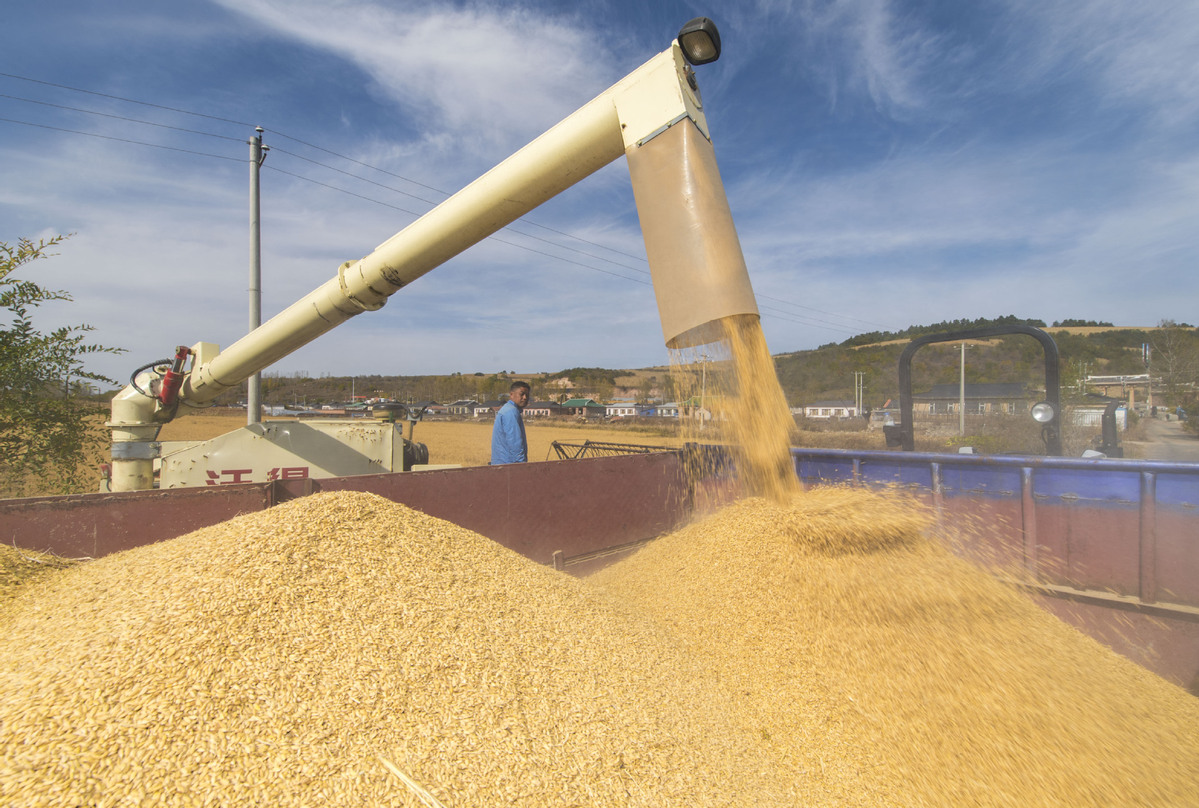
Policymakers were fully aware of the defects of the planned economic system and the difficulties the economy and people were facing at the time. As a result, they shifted focus to economic development and embarked on a new road - market-oriented reform - in an attempt to accelerate growth.
This road proved bumpy, but it paid off. By encouraging farmers to increase agricultural output through the household contract responsibility system, gradually liberalizing the State sector, allowing private enterprises to grow, and by welcoming foreign investors, China managed to achieve GDP growth of 9.4 percent from 1978 to 2018.
"The growth was unprecedented," said Cai. "It enabled China to catch up miraculously in 40 years."
Martin Raiser, World Bank country director for China, said the nation was remarkable both for the speed and duration of its high-growth phase. "No other country has grown that fast for so long," he said.
Raiser said China's growth path was, to a large extent, due to its "unique" and "pragmatic" reform policies.
"Some of the ingredients of China's success are well-known," he said, referring to the country's favorable demographic conditions, high level of human capital and high savings rate that ensured heavy investment in infrastructure
"China experienced very rapid productivity growth, at least until recently, as pragmatic, pro-growth policies helped deploy its abundant capital and labor more productively, and this included rebalancing of State and market forces in resource allocation," he said.
China has maintained a strong and unique State role in promoting industrialization, urbanization and domestic market integration, Raiser said.
"Economic restructuring saw millions of Chinese move from villages to cities and from agriculture to more productive, wage-paying jobs in services and industry, mostly in the private sector," he added.
The country is now the world's second-largest economy, the largest exporter of goods and the second-largest global investor in terms of outbound direct investment value.
It is also the largest contributor to global growth, accounting for about 30 percent of the annual expansion of the world economy.
In the past four decades, China has also reduced the number of people living in poverty by 750 million.
The significance of the country's economic success lies not only in its contribution to global growth or poverty reduction, but also because it provides a model for other nations to learn from to improve their governance.
"Maybe the best lesson that countries can learn from China is that there are no one-size-fits-all development models," Raiser said. "Each country should carefully study the available experience and adapt policies to fit its own needs."
He said other nations may not have the same conditions for economic growth as China, such as high savings rates and solid human resources, and should therefore not blindly copy its model.


















