Building on a legacy









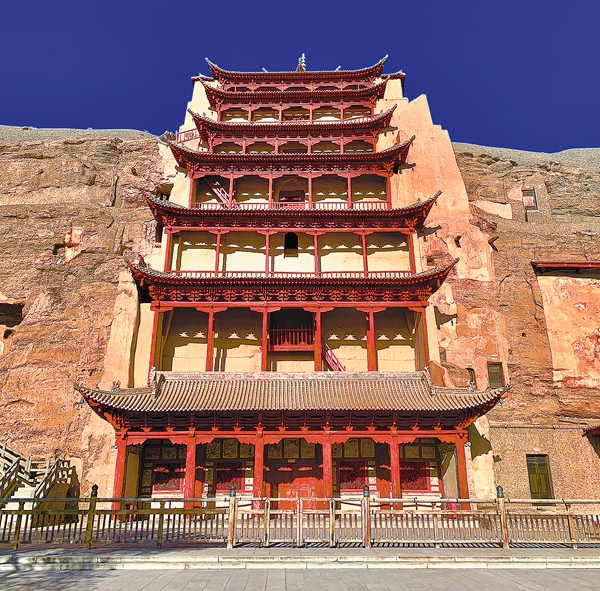
The former director of the Dunhuang Academy's unwavering commitment to conservation over the decades is being rightly celebrated, Wang Kaihao reports.
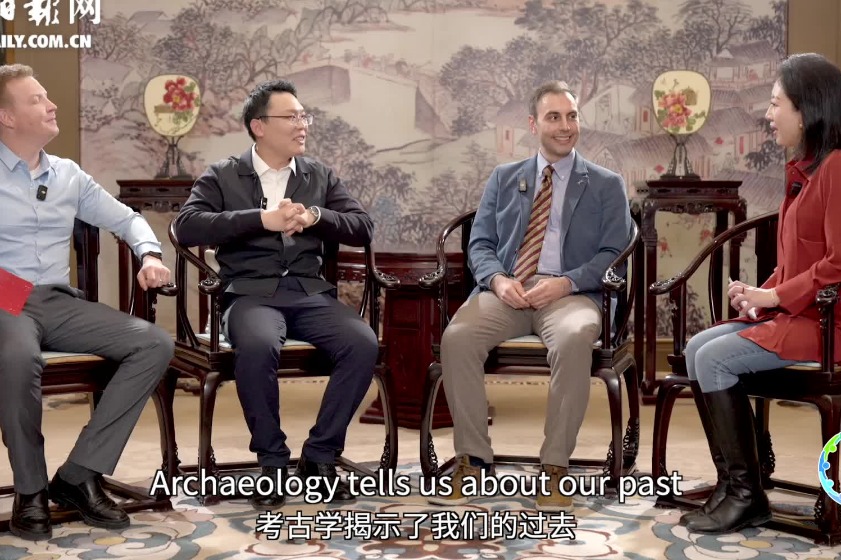
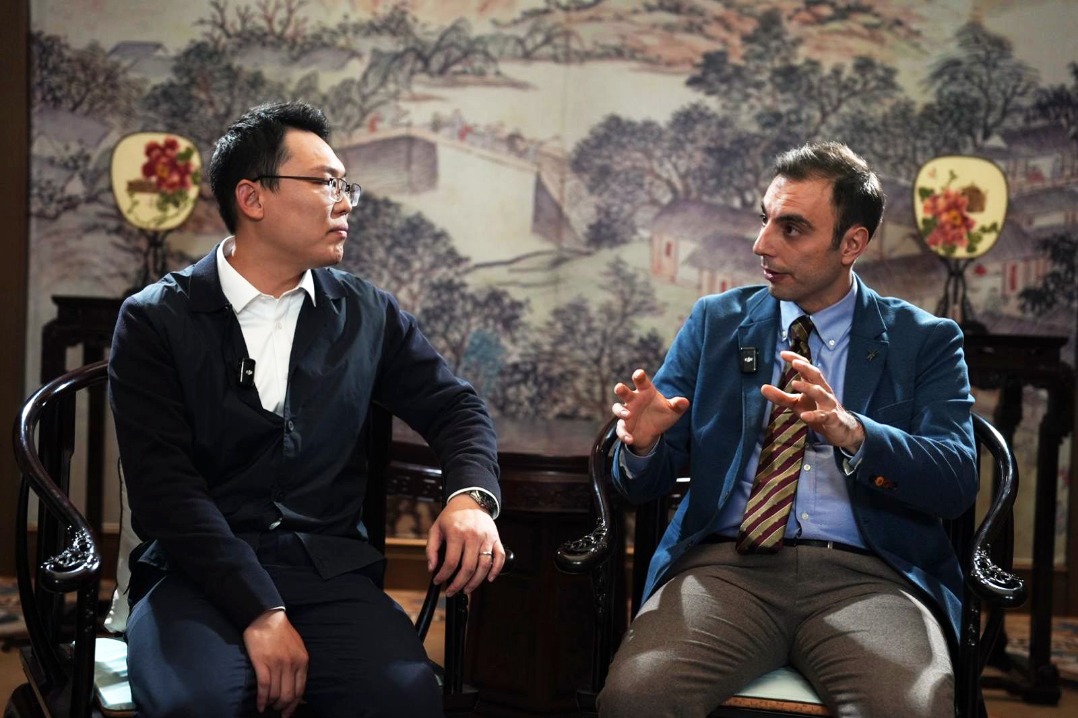
Editor's Note: President Xi Jinping called for more efforts to carry forward the culture of Dunhuang, during his visit to the UNESCO World Heritage Site this summer. Thanks to the devotion of generations of scholars and artists, its cultural legacy still shines and inspires. China Daily reporters talk with researchers and designers from home and abroad to explore its renewed role in today's cultural scene and global exchanges.
Sitting under a spotlight in the auditorium of the National Museum of China in Beijing on Oct 12, Fan Jinshi was given a long standing ovation by hundreds of archaeologists, museum curators and cultural relic conservationists from around the country.
The 81-year-old was making a speech about her decadeslong bond with Dunhuang.
In late September, she was bestowed with a national medal and an honorary title by President Xi Jinping in the Great Hall of the People. She was the only representative from cultural heritage circles to receive the honor, a crucial recognition of her outstanding achievements over the 70-year history of New China.
Fan was director of the Dunhuang Academy from 1998 to 2014, and is only the third person to have held the post since the academy's founding in 1944. She is often called the "daughter of Dunhuang" by those who know her.
The academy is intrinsically linked with the Mogao Caves in Dunhuang, Gansu province-a complex of 735 grottoes with Buddhist murals and statues which were produced between the fourth and 14th centuries. The site is generally considered to be a microcosm of the exchanges between different civilizations that passed along the ancient Silk Road.
About 60,000 ancient documents were discovered in Cave 17, also known as the "library cave", which offers an encyclopedic insight into Buddhism and secular life over the course of a millennium.
"I can't say that I was always 'devoted'. I first went to Dunhuang simply because I was obeying an assignment given to me by the country," she states frankly, winning another round of applause.
In 1962, when Fan was an archaeology student at Peking University, she was sent to the site as part of her internship.
"I was intoxicated by the exquisite murals in the caves," she recalls. "However, it was the remote sites outside of the caves which I couldn't stand."