Subsidy extension to stimulate NEV sales









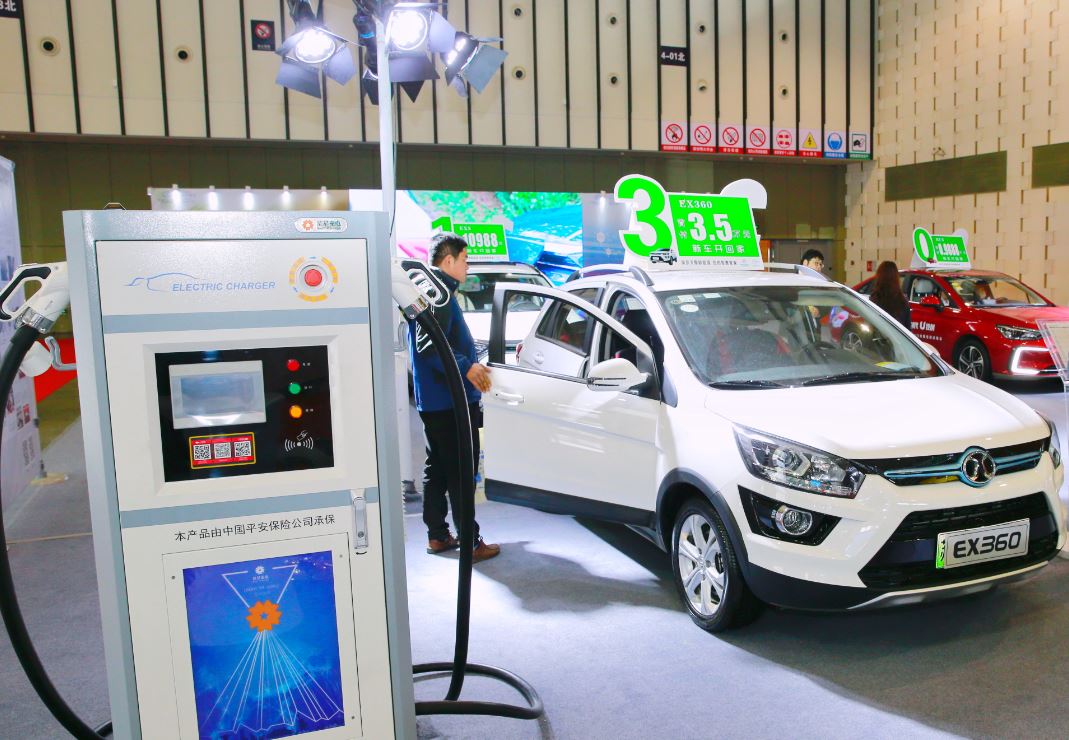
China's decision to extend subsidies for new energy vehicles to 2022 will help invigorate the fledgling sector that has started to slow down since the second half of last year, analysts and carmakers said on Wednesday.
The subsidies, which have been in place since 2009 and were scheduled to stop by the end of this year, will continue for another two years, the State Council, China's Cabinet, said on Tuesday, without revealing any further details.
It also said that those who buy such vehicles, consisting of electric cars, plug-in hybrids and fuel cell vehicles, will get purchase tax exemption by the end of 2022. The tax usually stands at 10 percent of a car's price.
Thomas Fang, a partner in the China office of global consulting firm Roland Berger, said: "The goal of the measures is to bolster demand as soon as possible to revitalize the whole sector, as efforts to contain the novel coronavirus outbreak have started bearing fruit."
Fang said the current steps are a follow-up to the supportive measures announced by the Chinese government in the past few weeks, including a plan to ramp up the country's charging network for new energy vehicles.
BJEV, one of the country's largest new energy vehicle makers, said the extensions of subsidies will promote the sector's long-term, healthy development.
"It is definitely good news for carmakers and car buyers, and it shows the government's firm support for the sector," the company said in a statement.
China's new energy vehicle sector started to lose steam from the second half of last year following the latest round of subsidy cuts in late June.
Some carmakers including Xpeng had to raise vehicle prices to prevent losses, while others prevented price hikes by taking money out of their pockets, but that did not save the day.
Total NEV sales stood at 1.21 million units last year, a 4-percent fall on a yearly basis and the first in over a decade in China.
Most of the carmakers were affected to some extent, with the Warren Buffett-backed BYD reporting a 42-percent fall in 2019 net profit to 2.78 billion yuan ($392.18 million). BJEV, another major player, sold 156,000 vehicles last year, falling short of its goal of 220,000 units.
The sector was further hit this year because of the novel coronavirus outbreak. Sales of new energy passenger vehicles in the first two months stood at 55,000 units, down 57 percent year-on-year, while their production plummeted 63 percent, according to the China Passenger Car Association.
Cui Dongshu, secretary-general of the association, said thanks to the extension of subsidies, production this year is estimated to surge 23 percent from 2019 to 1.6 million units. Cui, however, did not offer an estimate of the sales for this year.
"In the long term, it is clear that this will help China to consolidate its global lead in new energy vehicles," he said.
China has been the world's largest new energy vehicle market since 2015.