



India's politicization of education insensible: China Daily editorial









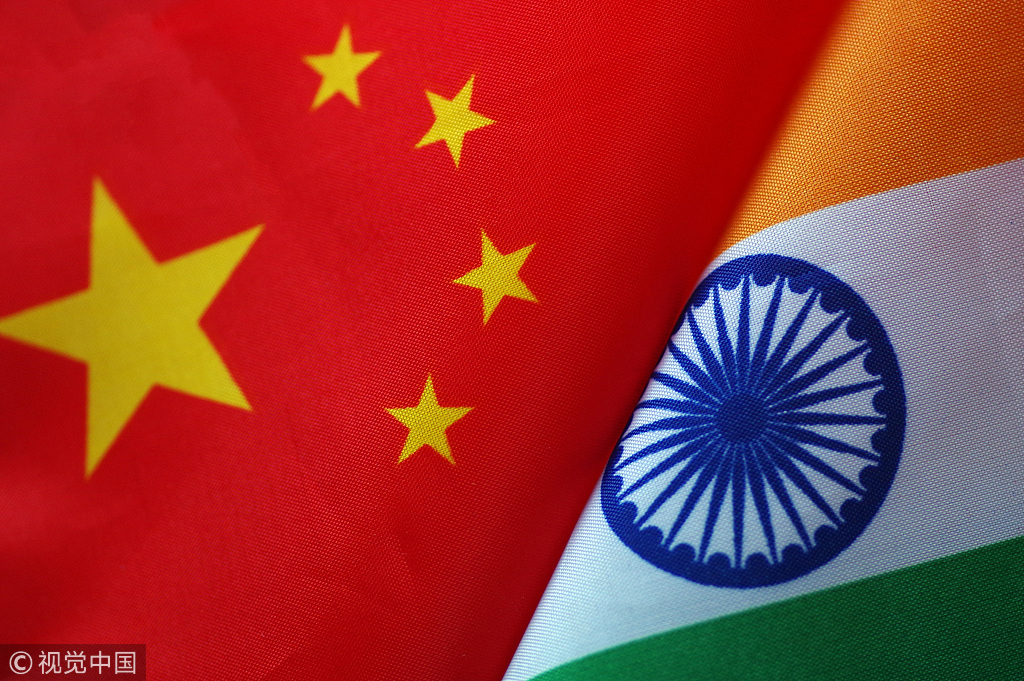
It seems that India is trying to comprehensively cut its ties with China, no matter how much it will suffer by doing so.
Following the banning of almost all Chinese apps and the blocking of a wide range of economic cooperation programs, India's Ministry of Education has decided to review the setting up of Confucius Institutes in association with seven Indian colleges and universities, according to Indian media reports. It also plans to review 54 memoranda of understanding signed between prestigious Indian institutions of higher learning and their Chinese counterparts.
These moves are supposedly because Indian security agencies have sounded an alarm about the growing Chinese influence in higher education in India, according to the reports. But this is merely a reiteration of Washington's groundless allegation of China's infiltration through institutes of higher learning.
In fact, India's cooperation on the Confucius Institutes began about 10 years ago and the program was initiated on the invitation of Indian institutes of higher learning, with the agreements signed on the principles of mutual respect, friendly consultations, mutual benefits and equality. As were the MoUs between Indian institutes of higher learning and their Chinese counterparts.
Confucius Institutes have promoted the learning of the Chinese language in India and met the desire of Indian students to learn more about China. The cooperation in education has boosted the cultural exchanges between the two countries, which in turn has helped advance cooperation in other areas. The director of the Confucius Institute at an Indian university was quoted in the Indian media as saying that learning the Chinese language has opened many job prospects for students.
It is not clear what the Indian government will do with these programs and the MoUs after the review, but the Ministry of Education will inquire whether these Indian institutes of higher learning received permission from the ministry for such cooperation, according to the reports. If that is the case, it is obvious that the Indian government is politicizing education cooperation between Indian universities and their Chinese counterparts.
That these cooperation programs can exist for a decade indicates their practical value for students, universities and the cultural exchanges between both countries. But the Indian government has turned a blind eye to this fact.
If the Indian government is going to review and then kill the cooperation programs on the grounds that Chinese influence in India's higher education is growing, it can only be attributed to ultra-nationalism and populism having gotten the better of the Indian government, which has made it impossible for New Delhi to consider in a sensible manner how important India-China relations are to the socioeconomic development of both countries and to regional stability.


