


Art that puts culture in the picture
Thangka style from Xizang provides a unique and compelling insight in its various forms









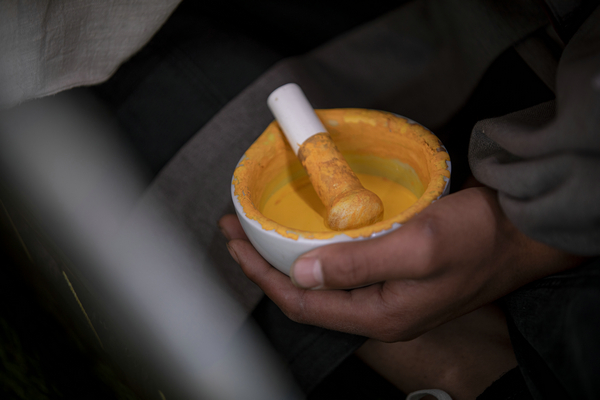
The Tibetan people believe in the circle of life and do no evil. They hope to have a good home in the circle of the afterlife by doing good deeds in this life. Moreover, the cold natural environment and the lack of resources of the Tibetan area also make people's faith stronger.
Therefore, they choose to sincerely worship the gods and pray for auspiciousness and happiness, which makes them more careful and pious in the creation of the thangka. The art form gives them profound emotional sustenance, and whenever this emotion is evoked, they have a strong reaction and emotional resonance. That is, through the internal value identification of the thangka as the link, the culture and history are inherited further, and the ethnic cultural self-confidence is enhanced.
Tourism has an impact on thangka culture too. The arrival of tourists has deepened the communication between different cultures, and makes ideas and knowledge blend and collide. In contact with tourists, local people's ethnic cultural identity and confidence are also constantly strengthening.
The attention to thangka culture in China and the world is constantly improving. In 2006, Tibetan thangka (miantang school, qinze school) was included in the first batch of national intangible cultural heritage list by the State Council. In 2008, the garmagaki school was included in the second batch and in 2011, the miansa school was included in the third.
The inheritance and protection of thangka art have been promoted to the national level, which not only affirms the value of the outstanding traditional Tibetan craftsmanship of the art but also greatly inspires the enthusiasm and creative motivation of its practitioners.
Now that the art is known to the world, the connotation and extension of thangka culture will be constantly enriched, which will effectively contribute to cultural confidence and cultural rejuvenation of China.
Wei Min is a professor of School of Management at Xiamen University and Wei Haixiang is a PhD student at the university.