Intangible cultural heritage becomes academic subject









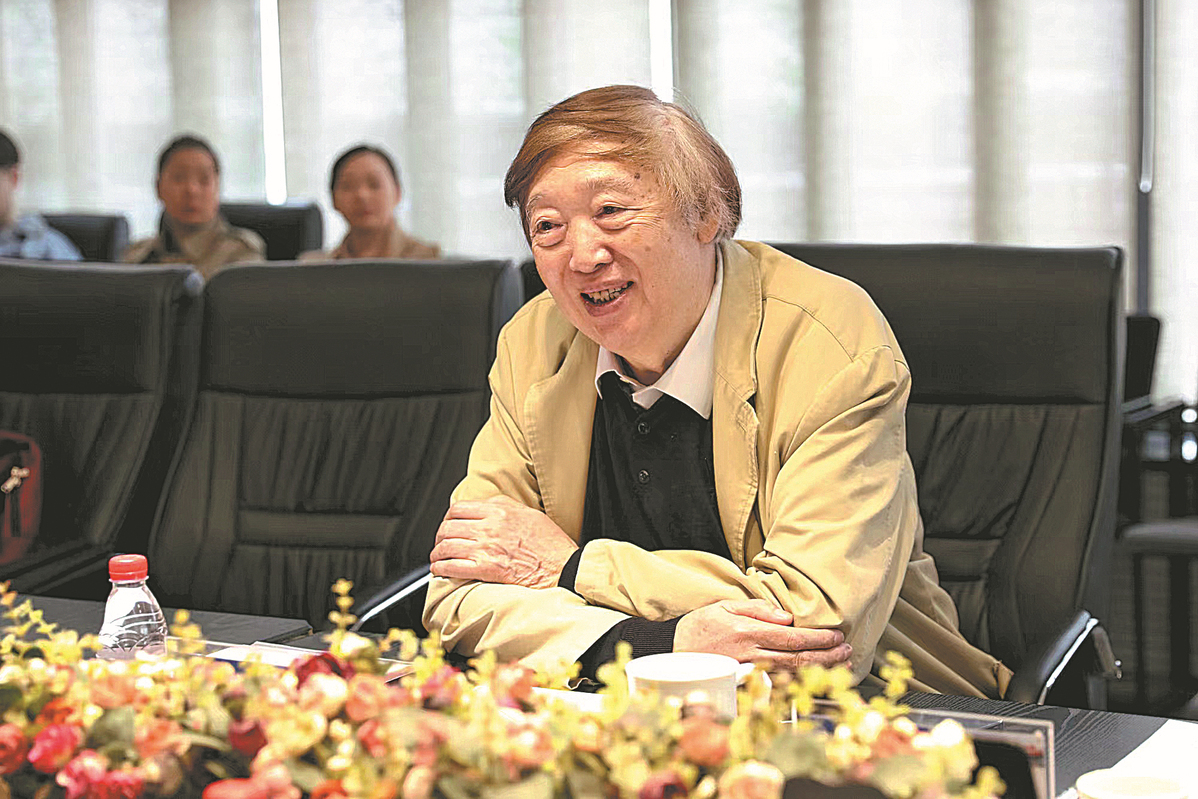
Editing of China's first batch of textbooks on the subject of intangible cultural heritage began at Tianjin University late last month. According to the university, the first three are expected to be completed by the end of this year, and the first group of postgraduate students to use them will be enrolled this September.
The country's first postgraduate program in the interdisciplinary subject of intangible cultural heritage was approved in October, taking it to a new level.
Under the guidance of renowned 80-year-old author and folk art researcher Feng Jicai, 12 experts make up the editorial task force and have begun working on the first batch of textbooks, which will cover general knowledge, folk art and oral histories from inheritors of intangible cultural heritage.
"The educational programs of intangible cultural heritage in China are in critical need of theoretical and systematic support," said Zheng Gang, vice-president of Tianjin University. "Despite having accumulated much experience in the exploration and practice of intangible cultural heritage theoretical studies have fallen behind practice."
China has recognized more than 100,000 examples of intangible cultural heritage at the town, city, provincial, and national levels, the largest single number in the world.
There are 1,557 examples of national level intangible cultural heritage and 6,819 at the village level, according to the Guangming Daily newspaper.
"We can find enough inheritors around China to keep each example of intangible heritage alive, but we are in need of management professionals and research experts devoted to the study of each," said Feng Jicai, who has been leading the national folk art rescue project since 2000 and made widespread investigations into intangible cultural heritage.
He noted that in comparison, South Korea and Japan have made great strides in training experts for each of their examples of intangible heritage. "To quench the thirst for professionals and experts, the subject should be given greater emphasis," he added.


- Xizang's remote villages gain access to express delivery services
- Egyptian man explores 460-year-old fair in Tianjin
- 10,000-ton electric container ship tests off Jiangxi province
- China's construction sector sees drop in energy use, emissions during build phase, rise in operations
- Guangdong sees surge in holiday arrivals as travel pattern shifts
- International commercial court established in Guangzhou