Musical gets into the zone of creativity
Xiao Ke's latest production documents transformation of Beijing's 798 art district in a show that focuses on human stories, Chen Nan reports.









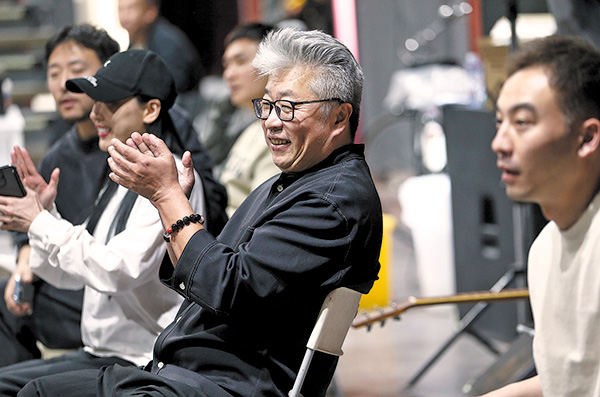
Over the years, Beijing's 798 Art Zone in Chaoyang District's Dashanzi area has undergone a massive transformation, from dusty factory complex to epicenter of China's contemporary art scene. It's also become a popular destination home to galleries, design shops, cafes and restaurants, and regularly hosts fashion shows and music festivals.
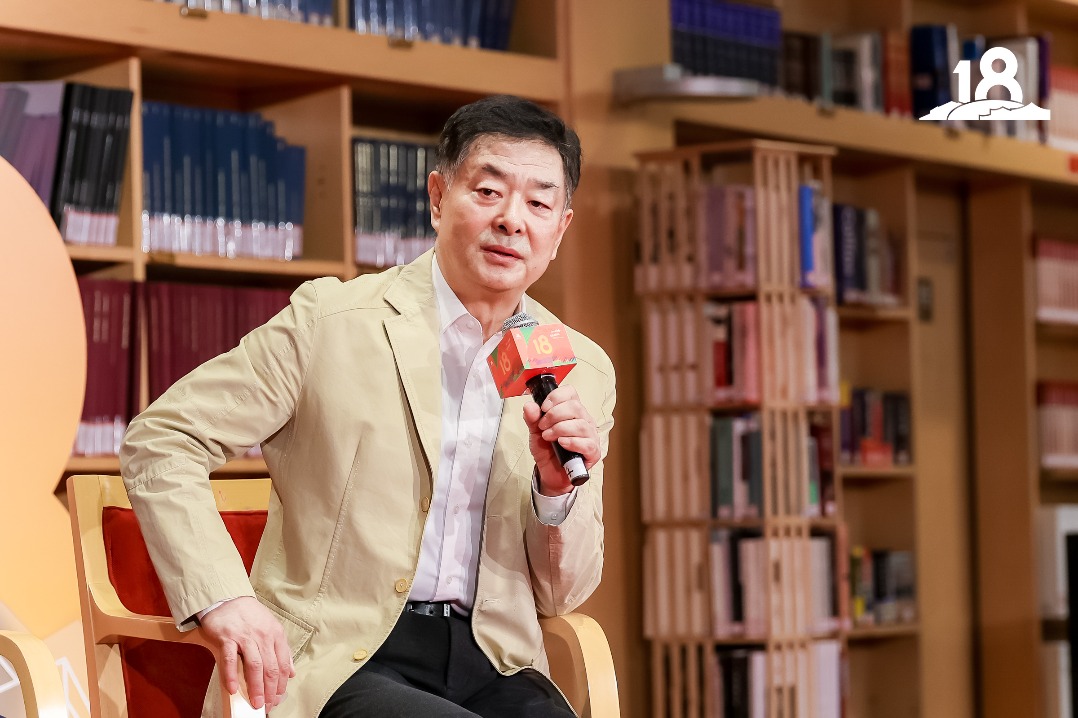
The area's transformation has now been turned into a musical by singer-songwriter Ke Zhaolei, who is better known under his stage name, Xiao Ke.
Art District premieres at the Xiaoke Musical Theater this Saturday, and will run until Dec 10.
It's somehow natural that it's Xiao Ke who has written the musical, as his theater, which he founded about a decade ago, is located in the art zone.
"When the theater first moved to the art zone, things were quite different, with fewer tourists, shops, coffee shops and restaurants," says the singer-songwriter. "At night, it was one of the few venues that still had its lights on."
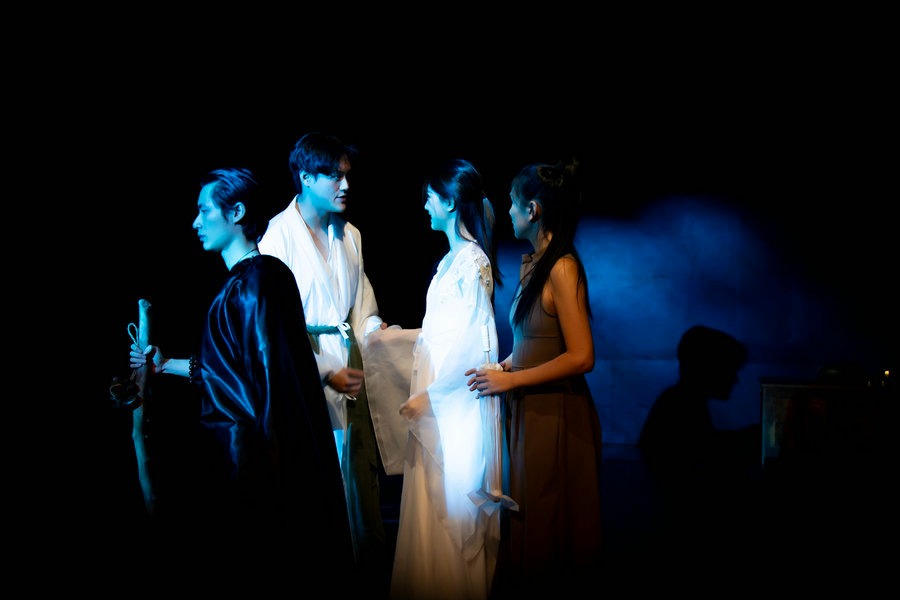
Art District features 10 new songs, and tells the tale of an old factory on the verge of bankruptcy, which is given new life by the arrival of a group of contemporary artists.
The story is essentially based on the transformation of 798, according to Xiao Ke, who says that he interviewed a man who worked at one of the area's factories before it became the art zone.
"He was the property manager and saw the changes to the factory and the area. After he retired, we hired him to work at the theater. He loves the place, and the stories he shared were inspiring," says Xiao Ke.
Before Dashanzi was turned into the art zone, it was home to several electronics factories, which were built with aid from the former Soviet Union and East Germany during the 1950s.
However, the once flourishing State-owned enterprises began to falter during the economic reforms of the 1980s, challenged by market mechanisms, and many of their workshops were abandoned.
When artists discovered the area, they were quickly drawn to its architectural style, spacious factory rooms and low rents.