


The popularity of online travel blogs, vlogs and tourism guides has given new life to the use of a word previously associated with the very opposite of travel — workplace punctuality. Daka originally meant the act of punching the card when arriving and leaving the workplace, but has been appropriated to refer to the trend of visiting must-see attractions, such as scenic spots, restaurants famous for specific local delicacies and unique gift shops, and sharing them via text and photos on social media.
Back in the 19th century, however, before the advent of photography, the major way for travelers to record their daka was through painting.
Foreign merchants, shipowners and sailors who arrived at major ports in southern China often commissioned local oil painters to produce paintings of the coastal scenes, and took them back home as souvenirs.
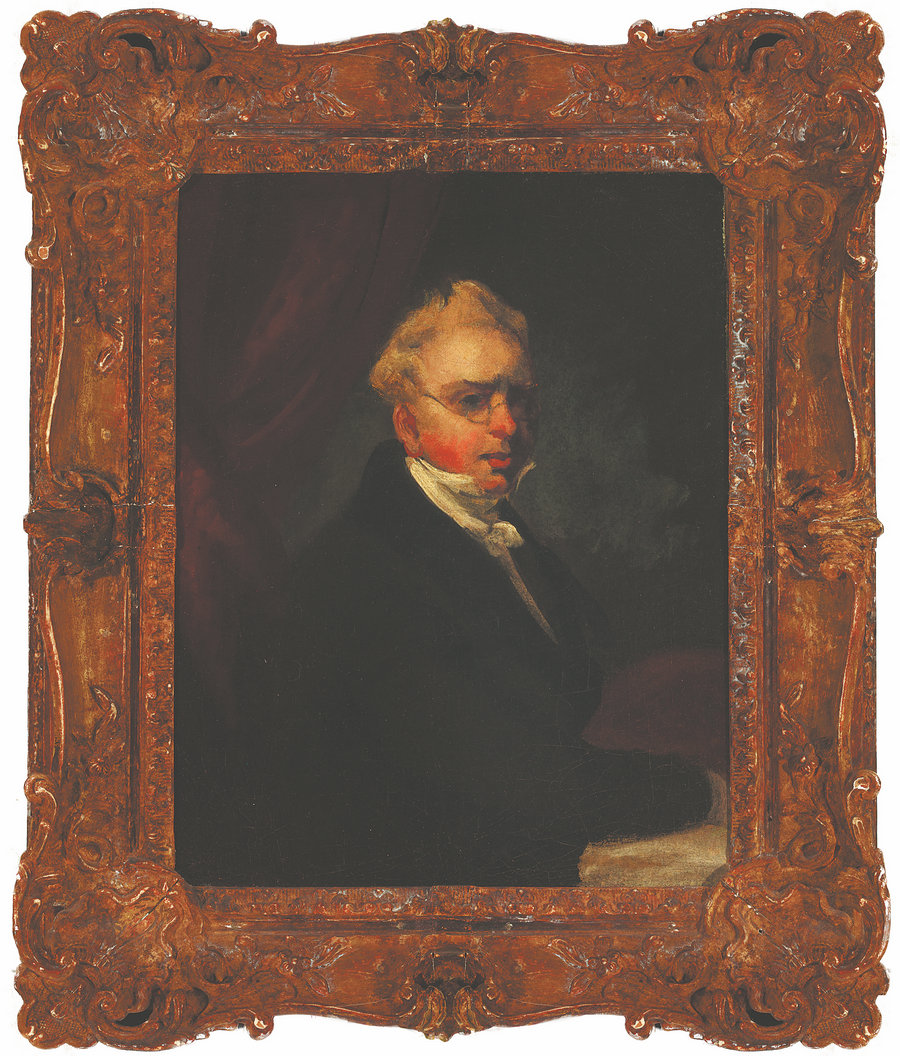
Some of these professional painters were from Europe, the most reputed being George Chinnery, a British artist based in Macao. Some were Chinese who had learned Western art techniques. Among the works most highly sought after were those of Chinnery or his pupils, such as Lam Qua.
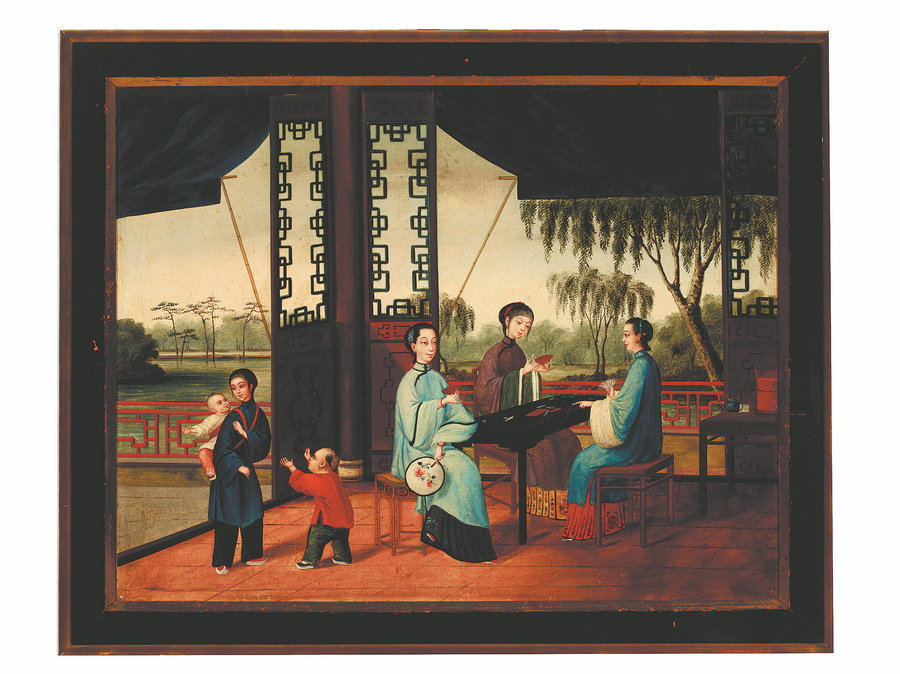
In addition to completing commissions from travelers, painters also earned a living by painting pictures for export to the Western market.
These paintings have been referred to as xiyanghua or yangfenghua, meaning the Western-style painting, a cultural product of the exchanges between the East and the West, prompted by the Maritime Silk Road and the sea routes of the Age of Discovery.
This unique interaction is highlighted at The Meeting of Chinese and Western Art, a touring exhibition that examines the images of 19th-century Guangdong province and Macao, two major destinations of the Maritime Silk Road.
This project initiated by the Macau University of Science and Technology has gained support from the China National Arts Fund. It has been opened at the Art Museum of the Central Academy of Fine Arts in Beijing, the first of its five planned stops, where it will run until April 20.
The exhibition marks the 25th anniversary of Macao's return to the motherland and the establishment of the Macao Special Administrative Region. It gathers 129 fine pieces of xiyanghua, mostly from the collection of the Museum of Contemporary Art, Yinchuan, in the Ningxia Hui autonomous region, which vividly capture the commercial and social hustle and bustle of Guangdong, largely Guangzhou, and Macao. It also shows dozens of maps of Guangdong and Macao at the time to reflect changing coastal scenes and people's varied perspectives of the world back then. The exhibition will travel to Tianjin, Guangzhou, Macao and back to Yinchuan.





