Negative list steers special bonds to crucial projects










The General Office of the State Council recently issued a guiding document on optimizing and improving the management of local government special bonds, a key change being the introduction of a "negative list" system. All projects that are not included on the "negative list" can apply for funding from the special bonds.
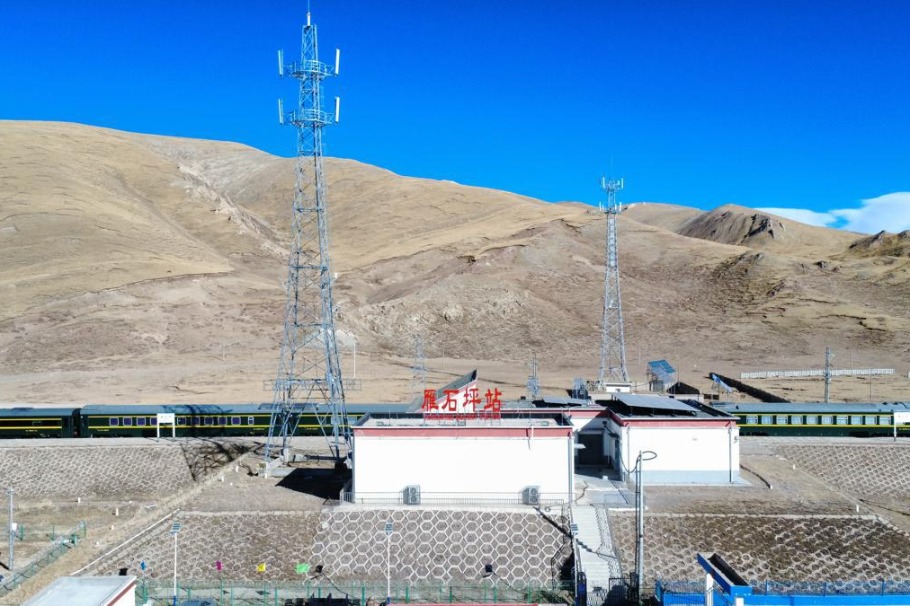
Previously, special bonds were managed through a "positive list" system, in which only the sectors that appeared on the allowed list could get funding. By the end of November, 11 major fields including transportation infrastructure, energy, agriculture, forestry and water conservation, ecological and environmental protection, and affordable housing projects had been included on the "positive list". Now, by specifying the prohibited sectors, the "negative list" system marks another step toward expanding the use of special bond funds and granting local governments greater flexibility.
The move is expected to enhance the autonomy of local governments, helping them quickly zero in on suitable projects, and ensuring that debt funds play their due roles in stabilizing investment and the economy. There is still significant room for infrastructure construction in China, and key areas in economic transformation and development — such as people-oriented new urbanization, new infrastructure represented by the digital economy, and forward-looking strategic emerging industry infrastructure — still need strong support from local government bonds. With the "negative list" system, special bonds can be further inclined toward the above-mentioned fields, further improving the efficiency of fund use.
By clearly specifying which projects cannot receive local debt funds, the "negative list" system avoids inefficient or misuse of special bond funds for low-efficiency projects, while helping local governments return to their core functions and policies, preventing debt risks at source.
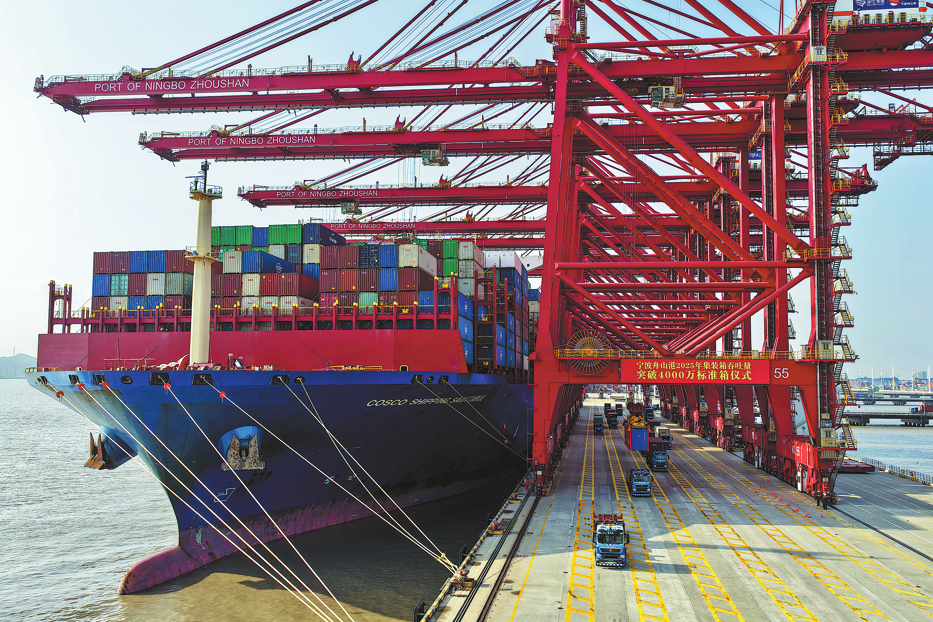
Special bonds have maintained a large issuance scale and strong project investment intensity in recent years, which can compensate for the funding gap in local infrastructure to some extent and play a role in stabilizing growth and promoting investment. With the guiding document issued, it is expected that special bonds will continue to exert force, but in a more standardized and orderly way, to promote local construction and economic growth.