


Negotiators work to bring down nation's prescriptions
Public paying dramatically less for therapeutic drugs thanks to bulk-buy scheme










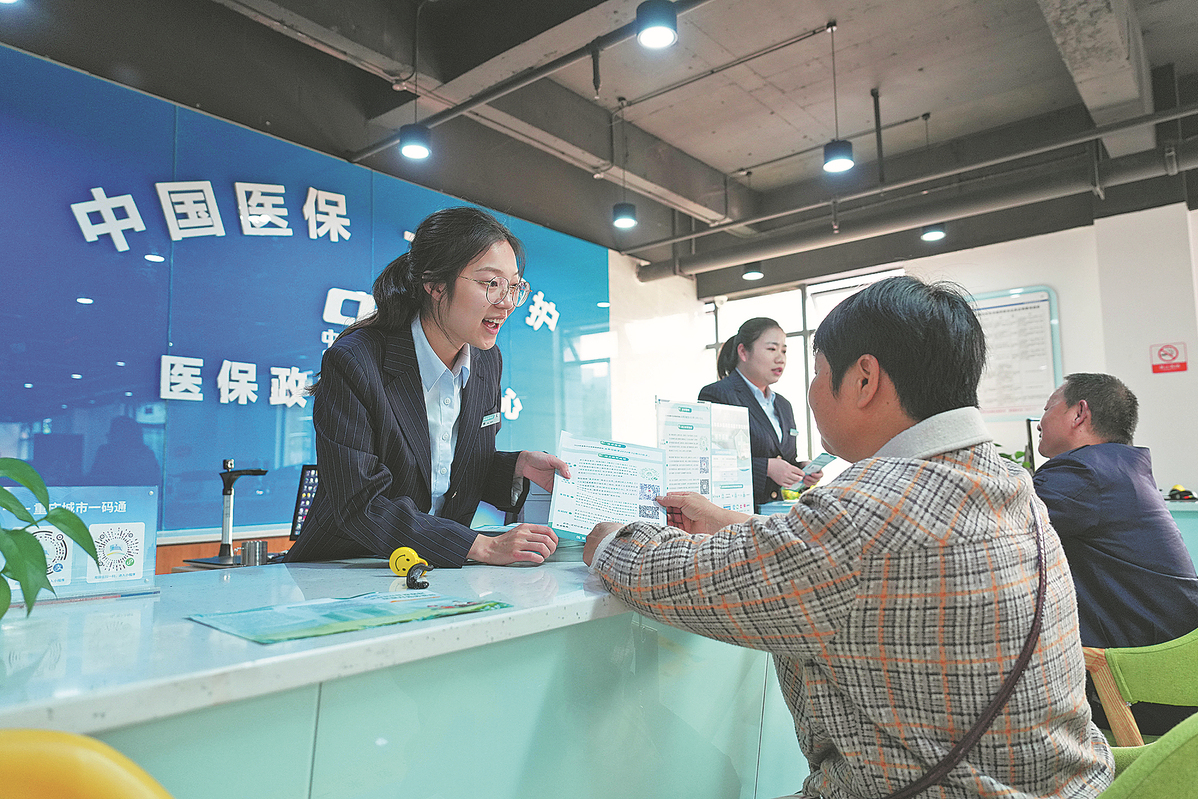
Negotiations were held in late October in Beijing and the results were released in late November. The updated list took effect on Jan 1.
A total of 91 medicines used for cancer, diabetes and rare diseases have been added to the list. After the removal of 43 outdated drugs, there are now a total of 3,159 drugs included.
Among the new inclusions, 89 were added after price talks with drugmakers that led to an average price reduction of 63 percent, and patients are estimated to save over 50 billion yuan ($6.8 billion) throughout the year as a result, according to the administration.
For the past seven years, China has carried out annual adjustments to its national drug reimbursement list, with a focus on including novel and costly medicines for which no generic versions are available.
In past years, deep price cuts negotiated with drugmakers had been widely applauded by the public, while some speculated it might hurt innovative drug development in the long run.
Huang Xinyu, head of the administration's medical services management department, said following the release of the 2025 reimbursement list, the goal is to enable more drugs to be covered by insurance at reasonable prices to contribute to the health and well-being of the public.
"The public paid much attention to the so-called haggling, prices-lashing skills in the past. But recently, it has been much easier for both parties to reach an agreement on a deal and on-site negotiations mainly focus on reasonable discussions of the value of medicines," Huang said.
At the negotiation table, a deciding factor is tucked away in a manila envelope handed to government representatives like Mu shortly before the talks start.
The envelope contains a slip of paper that states a bottom-line price that can be accepted by the healthcare officials. Drugmakers are allowed to propose prices twice and if the second proposal is still not within 115 percent of the bottom-line price, the negotiation will cease.


