The AI wave from China: Innovation, cooperation, and a shared future









"Artificial intelligence: the future is now." This slogan aptly describes today's China, where AI is no longer just a buzzword — it's a driving force shaping everyday life and global partnerships.
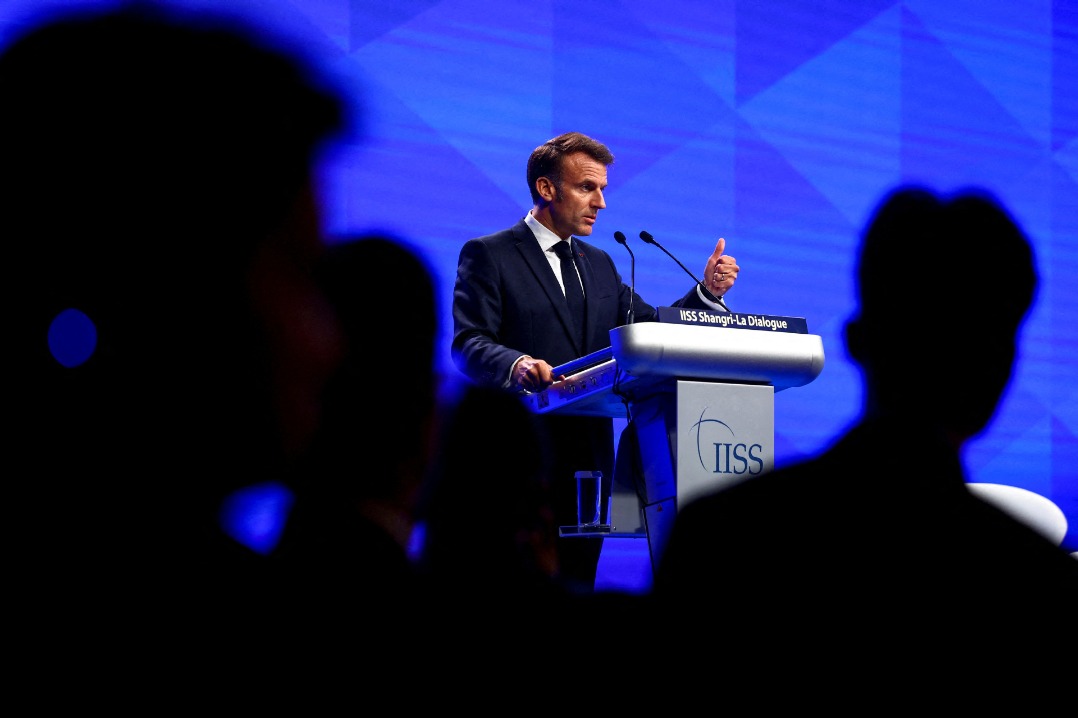
Earlier this year, China joined France and over 10 other countries in signing an international declaration on AI development at the 2025 AI Action Summit in Paris, pledging to promote AI in an open, inclusive, and ethical way. This reflects China's growing leadership and sense of responsibility in shaping global AI governance.
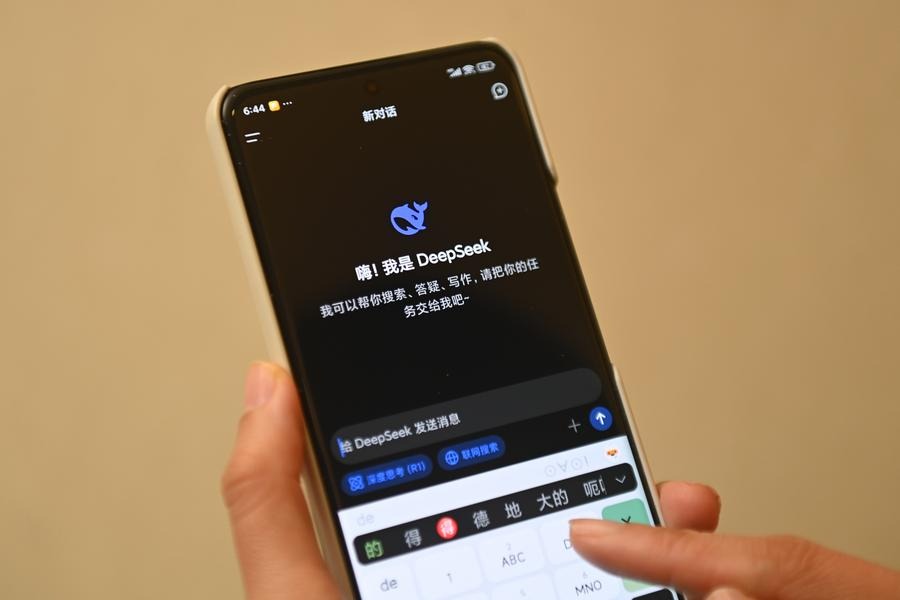
One rising star in this story is DeepSeek, a Chinese AI startup that's making waves internationally. Unlike many competitors, DeepSeek has made a name for itself by improving algorithms to significantly reduce computing power demands — and by open-sourcing its model.
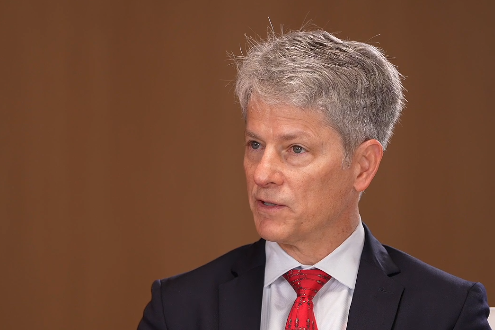
As professor Lin Ying from Vrije Universiteit Brussel noted, this open approach offers valuable resources for researchers worldwide, providing "a path for European companies to develop advanced AI models under limited computing resources".
DeepSeek's success isn't just about technology; it's a glimpse of China's broader innovation ecosystem.
From 'AI as a concept' to 'AI in daily life'
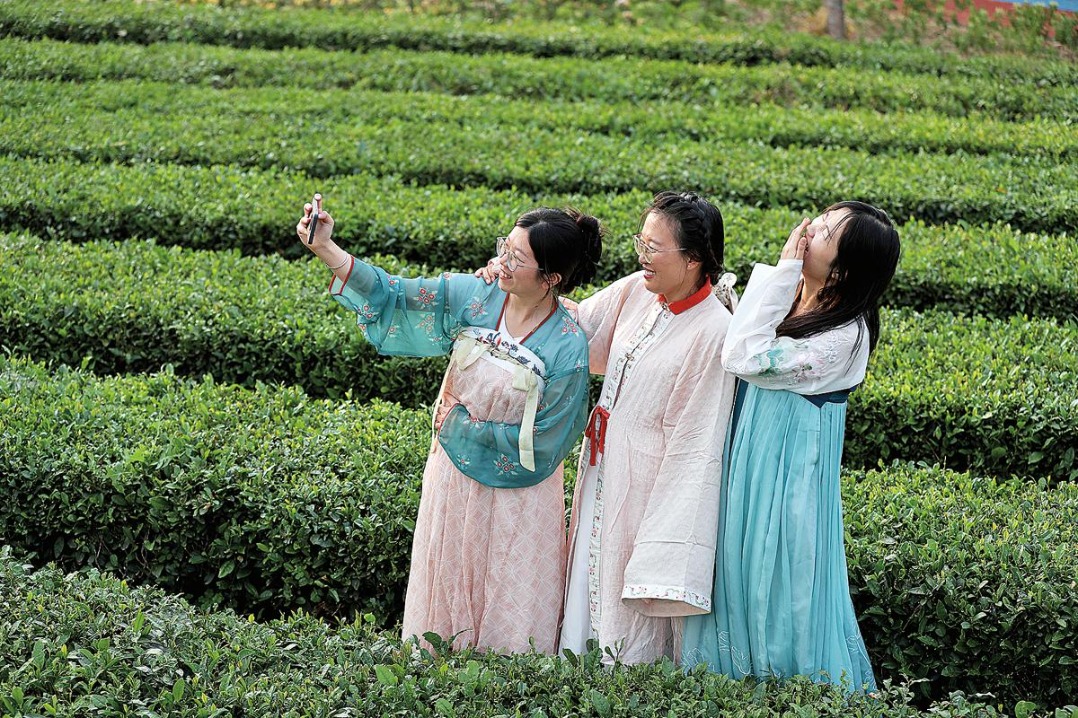
In China, AI isn't confined to labs or corporate boardrooms — it's woven into daily routines. AI filters enhance selfies on smartphones; shopping malls feature unmanned checkout systems; hospitals deploy AI-assisted diagnostics; even farms are adopting AI-powered precision irrigation and smart fertilization.
"Turns out AI is closer than we thought," many in China remark. What once seemed like science fiction — robot assistants, self-driving cars, AI-generated art — is now reality. From smart kitchens to AI tutors, from personalized recommendations to traffic management, AI is no longer a futuristic dream but a practical solution improving lives across the country.
Beyond convenience, China's AI journey also brings global opportunities. Prof. Lin Ying highlighted that "while Europe leads in data privacy, security, and ethics, China excels in scaling and rapid commercialization." This complementarity opens doors for China-European collaboration, especially in developing shared AI standards and governance frameworks. In a world grappling with digital divides and ethical dilemmas, such cooperation lays the groundwork for a more inclusive global digital economy.
This AI boom isn't happening in isolation. 2025 marks the 50th anniversary of diplomatic relations between China and the EU, a partnership that has grown from trade ties into multi-faceted cooperation. In 2024, China-EU trade reached $785.8 billion, while two-way investment climbed to $260 billion. These figures represent not just numbers, but networks — thousands of businesses, researchers, and innovators connecting across borders.
Take DeepSeek as an example, but look wider: Chinese automaker BYD is building a new EV plant in Hungary; CATL's battery factories are springing up in Germany, Hungary, and Spain; Chery's joint venture in Spain has already rolled out new models. AI has been a part of this larger story of technological exchange and industrial integration.
When AI bridges technology and culture
Interestingly, AI isn't just driving technological collaboration — it's fostering cultural bridges. Amid regulatory uncertainties surrounding TikTok in the West, European users are flocking to China's Xiaohongshu (RedNote) platform. There, they're learning Mandarin, singing Chinese pop songs, experimenting with AI-generated ink paintings, and interacting with Chinese creators in real time.
AI, it seems, has become an unlikely "cultural translator".
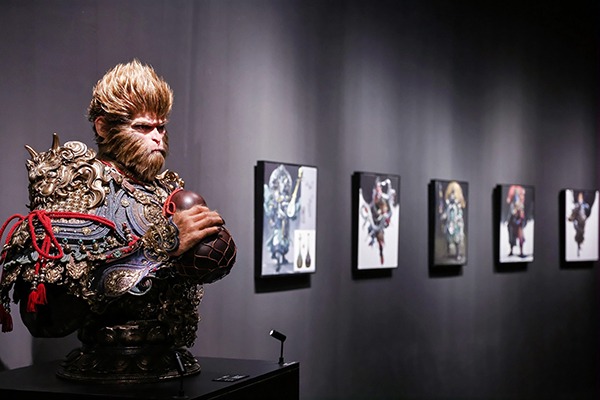
China's cultural exports are also gaining momentum through AI-powered localization. The release of "Black Myth: Wukong", China's first AAA video game, sold over 28 million copies globally, boosted by AI translation tools enabling international players to experience Chinese mythology. AI isn't replacing culture; it's amplifying it, bringing stories like the tale of Sun Wukong to audiences worldwide.
"Technology knows no borders; cooperation has no limits." In today's AI boom, China is not seeking to monopolize innovation but to build bridges of knowledge, opportunity, and shared growth. As one European scholar put it: "To work with China is not just to access products — it's to access a vibrant future."
Indeed, the future feels both distant and near. Through AI, the world sees a China that is open, collaborative, innovative, and full of vitality.
The author is an international affairs observer. The views don't necessarily reflect those of China Daily.
If you have a specific expertise, or would like to share your thought about our stories, then send us your writings at opinion@chinadaily.com.cn, and comment@chinadaily.com.cn.