Speak of love, and fight for it









I first read The Peony Pavilion when I was 13 and was drawn to its poetic language. But as I grew older and watched Pai Hsien-yung's Kunqu adaptation, I began to grasp the deeper meaning behind this enduring classic.
In the story, Du falls asleep in her garden and dreams of a romantic encounter with a young man. After she wakes up, she becomes overwhelmed with longing for her dream lover, gradually falls ill, and eventually dies.
Three years later, the young man from her dream, Liu Mengmei, visits the same garden. Upon discovering Du's portrait, he is instantly captivated by her spirit and falls in love. Touched by their unwavering devotion, the judge of the underworld grants Du a second chance at life, and the two are finally reunited.
One scene in the Kunqu adaptation left a lasting impression on me. As the flower fairies chanted in unison that Du had "died of longing for love", I was moved to tears. It felt like one of the boldest declarations of love in all of Chinese literary history.
In traditional Chinese culture, openly saying "I love you" — especially for women — can feel startling or even inappropriate, as love is often expected to be expressed through actions rather than words.
Yet the courage to say "I love you" also implies the strength to say "I don't". When rigid social norms suppress even the most natural emotions, it becomes difficult to speak out against dissatisfaction or injustice.
By creating a heroine who dies in pursuit of love, playwright Tang Xianzu — writing over 400 years ago — challenged the long-standing tradition of emotional restraint — an influence that still shapes our society today.
Du's outspoken declaration of love is a powerful act of defiance against outdated social rules. As the daughter of a feudal official, her reputation, status, and virtue were defined by a patriarchal system. The only thing she truly owned was her body. Through the surreal journey of death and rebirth, she makes her strongest protest and achieves a form of spiritual immortality.
Classics endure because their core messages remain timeless. At the heart of The Peony Pavilion is a simple but profound truth: "Speak of love, and fight for it."
Today, we continue to celebrate The Peony Pavilion as a tribute to the power of love and the enduring human desire for self-expression.
Written by Wu Yaduo, 18, a student at Chengdu Foreign Languages School who has a deep love for reading. She channels this passion into her work as an art content creator on the Chinese video platform Bilibili, blending classical Chinese literature with modern themes in her illustrations.
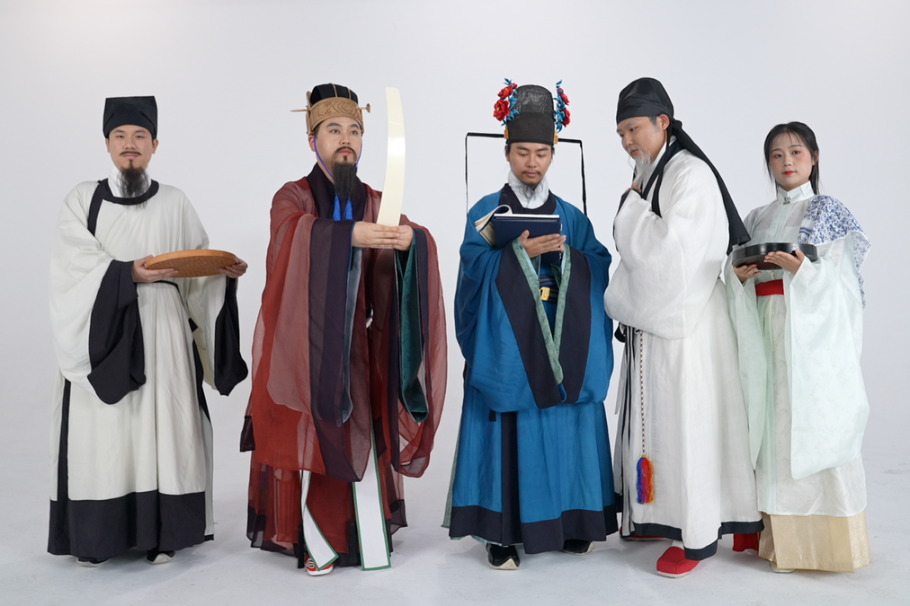
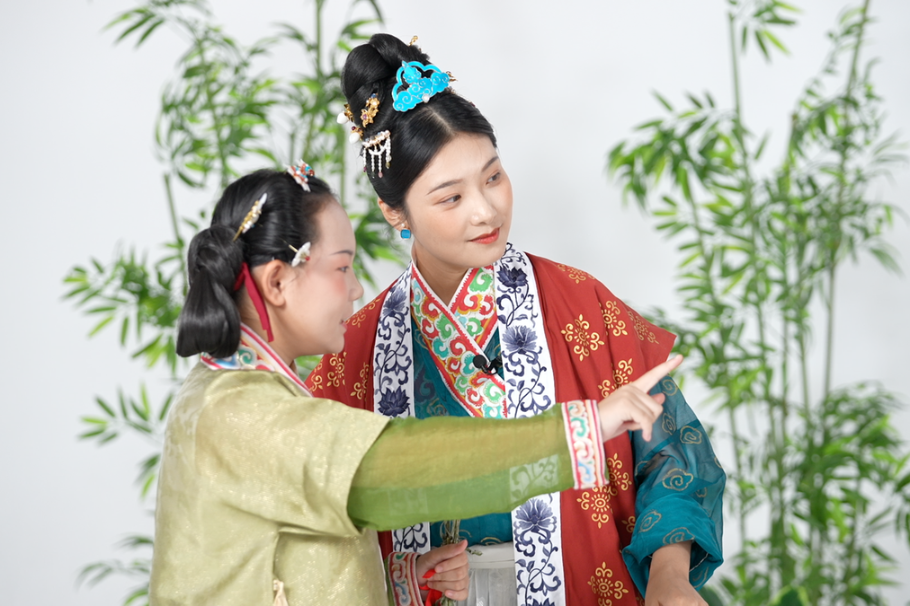
In April, a "college version" of the Kunqu Opera The Peony Pavilion debuted at the Jiangsu Center for the Performing Arts. Rather than professional Kunqu artists, this production featured 50 student performers from 29 universities across China. Chinese-American writer Pai Hsien-yung served as the artistic director.
Adapted from the romantic tragicomedy by Ming Dynasty (1368-1644) playwright Tang Xianzu, the opera tells the story of Du Liniang, the sheltered daughter of a high-ranking official. Raised under the constraints of feudal values, she bravely defies societal expectations in her quest for true love.