



Defense spending demand Herculean task









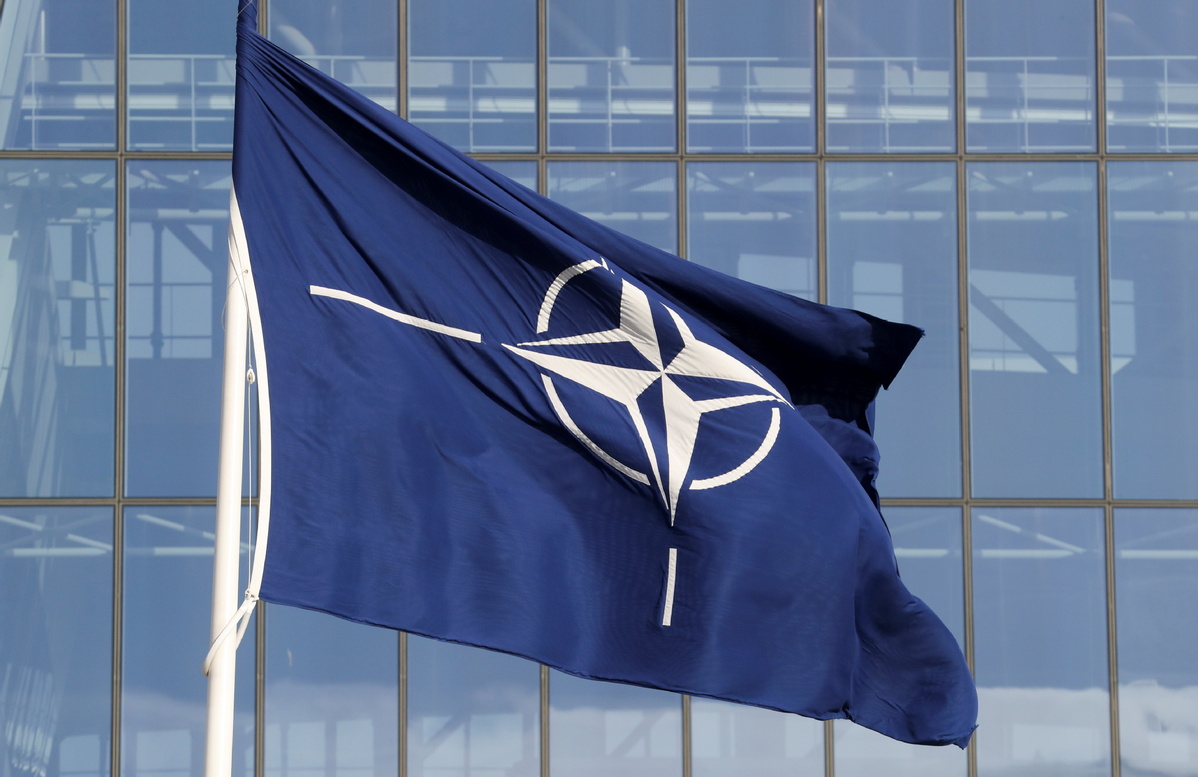
The United States has "succeeded" in pressing its North Atlantic Treaty Organization allies to agree to increase their military spending from 2 percent of their gross domestic product to 5 percent in the years to come. It is now doubling down by putting pressure on its allies and partners in the Asia-Pacific to follow suit.
But the US picked an improper excuse to urge Japan and Australia to raise their defense spending. Reportedly, the Pentagon demanded the two countries to clarify how they would help "defend" Taiwan island.
Elbridge Colby, the US under secretary of defense for policy, has been pushing the matter during recent talks with defense officials of both countries, according to a report the Financial Times published on Saturday, citing people familiar with the matter.
That has put Japan and Australia in an awkward position as the US itself has yet to clarify what it would do.
The question has been asked despite the three countries all claiming they uphold the one-China policy, a prerequisite and a political foundation for their respective diplomatic relations with China.
Colby said in an X post that the Department of Defense is focused on implementing the president's "America First" agenda of restoring deterrence and achieving peace through strength, which includes urging allies to "step up their defense spending and other efforts related to our collective defense".
But Colby has shunned a critical question, namely, whether the "security threat" the US hypes up on the Taiwan question is a real security threat to Japan and Australia. If not, why should they toe the US' line on the issue.
The Taiwan question is China's internal affair and does not brook any external interference. It is the US that has been playing the "Taiwan card" to contain China. Japan, Australia and any other US ally and partner are well aware that the US pushes them to increase their defense spending citing the Taiwan question to increase its own revenue from selling weapons. Something the US has been pressing its proxies on the Chinese island to do for years, even though the latter know that if Beijing opts to realize national reunification by force, the island is "indefensible".
In other words, the US is buttering both sides of its bread on the Taiwan question — fleecing Taiwan financially and trying to contain the mainland strategically.
Colby, who was deputy assistant secretary of defense for strategy and force development during US President Donald Trump's first term, is known for arguing that the US military should prioritize competition with China and shift its focus from the Middle East and Europe.
It is therefore easy to understand why Colby is actively trying to pressure Japan and Australia to buy more US weapons under the excuse of the "collective defense".
But Colby should be reminded that the resistance he has met so far from both countries also originates from broader strategic considerations and domestic political dynamics. Neither the Shigeru Ishiba government of Japan nor the Anthony Albanese government of Australia can ignore the importance of maintaining regional stability and a balanced foreign policy posture. That explains why both of them continue to engage China not only on economic matters, but also on broader diplomatic and regional cooperation.
Given the tremendous pressure the US administration has exerted on the two countries in their respective trade talks with the US, the extent to which both governments are willing to accommodate the Pentagon's demands remains to be seen.
Even if the other NATO member countries have agreed to increase their defense spending, that agreement is not binding, and the progress of the work will not be assessed until years later, long after the current US administration ends its current term. That makes that "agreement" an empty promise to please the US.
It has taken years of painstaking efforts for the NATO member countries, under US pressure, to increase their defense spending of their GDP to 2 percent, with some still lagging behind the objective till now. To further increase the share to 5 percent, they have to continue to divert their spending on people's livelihoods to pay the US military-industrial complex for expensive weapons and services.
The repercussions on the countries' domestic socioeconomic conditions will be far-reaching. Both Tokyo and Canberra have to bear that in mind.


