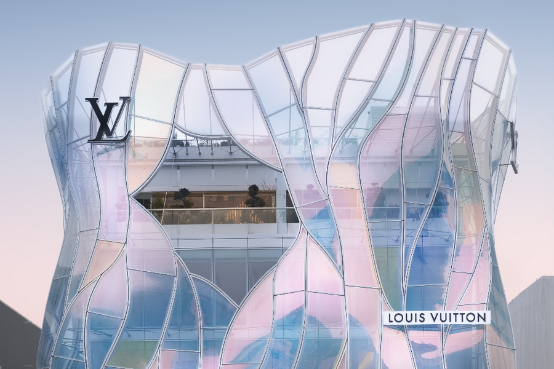
Real-world retail beckons China's youth
Amid algorithm blues, Gen Z consumers flock to redesigned malls that prioritize atmosphere and social exploration









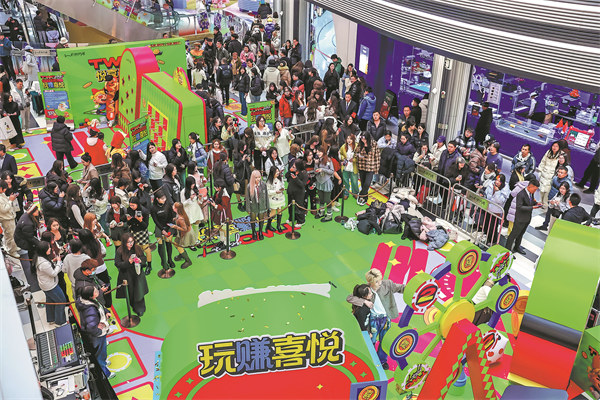
Despite growing up as digital natives, many young Chinese consumers in their 20s are spending more time in brick-and-mortar stores, a development that has drawn attention in a retail landscape long dominated by e-commerce. It's a trend that points to changing expectations of what offline commerce should offer.
Traditional shopping malls have struggled for years with declining foot traffic, outdated formats, and intense competition from online platforms that excel in convenience and price. In response, a growing number of commercial spaces are undergoing large-scale renovations and repositioning. Instead of focusing solely on transactions, these venues are expanding their roles to include social gatherings, interactive experiences, and cultural exchanges, evolving into what operators describe as urban lifestyle centers.
These revamped spaces emphasize experiences that reward physical presence. Role-playing games, handicraft workshops, immersive theaters, themed exhibitions, and gatherings built around shared interests, such as anime, comics, and games (ACG), have become standard features. Scarce products, niche buyer's shops, and designer-curated boutiques add to the sense of discovery that many young consumers feel is missing from algorithm-driven online shopping.
"Generation Z consumers are flocking back to offline venues," said Hu Shan, principal of consultancy Roland Berger. Some are motivated by interest-based communities, such as ACG culture and trendy toys, while others are drawn by social interaction, experiential activities, or limited-edition products and distinctive concepts that cannot be fully replicated online.
Gen Z refers to those born between the mid-1990s and early 2010s.
Across China, these shifts have prompted frequent renovation and upgrading projects. A survey conducted by the China Commerce Association for General Merchandise showed that in 2024, 66 percent of surveyed enterprises reported an increase in renovation projects compared with the previous year. While many traditional retail formats continue to face pressure, malls that clearly define their positioning and audience are beginning to show signs of renewed vitality.