|
|
New State, govt leaders to be elected in March
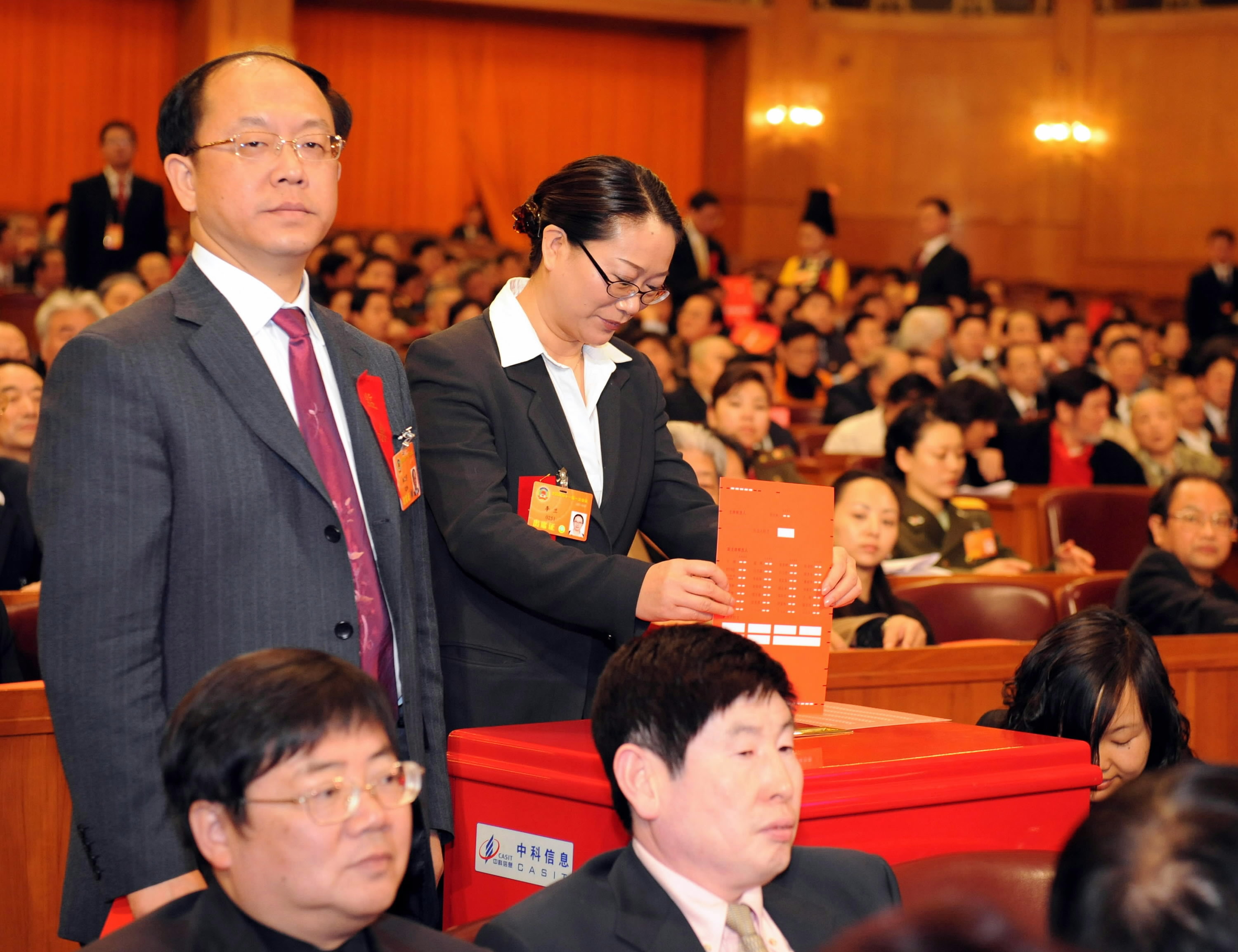
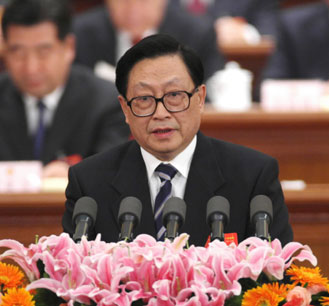
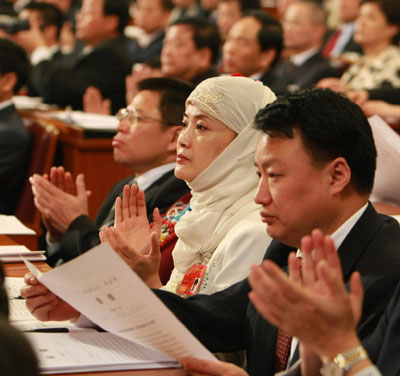
(China Daily) Updated: 2007-12-31 07:21 The country's top leaders will be elected at the first plenary session of the 11th National People's Congress (NPC), which will begin on March 5, 2008. According to the resolution of the 31st meeting of the 10th NPC Standing Committee, which ended in Beijing on Saturday, the two-week plenary session will elect the chairperson and vice-chairpersons of the NPC Standing Committee, and the country's president and vice-president. The plenary session will also elect the State Council premier and vice-premiers, State councilors and government department ministers, the chairman of the Central Military Commission of the People's Republic of China, and the heads of the Supreme People's Court and the Supreme People's Procuratorate. The agenda of the plenary session includes reading and approving government reports, checking and approving reports on the implementation of this year's national economic and social development plan and the draft plan for 2008. Checking and approving reports on the implementation of this year's central and local budgets and next year's draft plan are also on the agenda. The NPC plenary session will hear and deliberate the work reports of the NPC Standing Committee, the Supreme People's Court and the Supreme People's Procuratorate, as well as a State Council plan on institutional reform. The NPC is the highest institution through which the Chinese people exercise State power. People's congresses were held at different levels in 1953. And the first National People's Congress (NPC) was convened the next year, marking the establishment of the people's congress system in China. The NPC exercises legislative powers and has the authority to amend the Constitution. It formulates, supervises the enforcement of and amends basic statutes; elects and chooses people to lead State-level administrative, judicial, procuratorial and military organs, and has the right to recall them; supervises government work according to the Constitution and existing laws; and examines and decides on fundamental, long-term and important State matters. All administrative, judicial, procuratorial and military organs, as well as other State-level institutions, are supervised by the NPC, and are answerable to it. Xinhua (China Daily 12/31/2007 page1) |
|