



HKEX has to straighten things out to keep its reputation









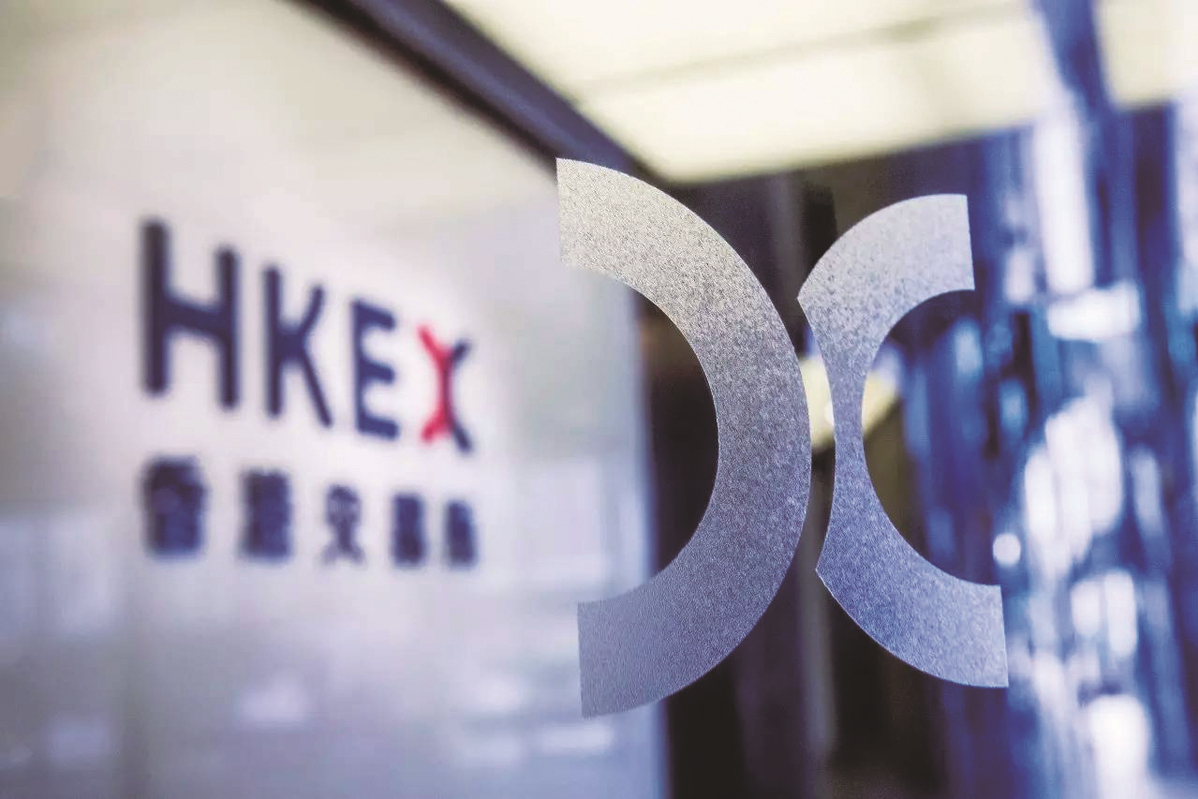
The Hong Kong Stock Exchange (HKEX), backed by the government, is making big strides in reforming the rules to allow dual-class shareholding companies to list in the city despite concerns it could undermine the interest of minority shareholders in those companies.
Since losing out to New York over the listing of mainland e-commerce giant Alibaba Group a few years ago, the local bourse has been lobbying hard to change the regulations, arguing that the restriction has placed Hong Kong at a distinct disadvantage against rival financial centers in luring new technology companies to float in the special administrative region, particularly those from the Chinese mainland.
The regulator's initial resistance melted away when the government openly backed the proposal after it became clear that the SAR had slipped behind New York and Shanghai in the global IPO market rankings. As it is, public consultations on the issue, which will end later this month, are nothing more than a formality.
HKEX has insisted that sufficient provisions will be incorporated into the new rules to provide the necessary protection for minority shareholders' interests. But, there are important issues that need to be thrashed out to help clear lingering doubts in the minds of investors.
For instance, nothing has been said about whether those dual-class shareholding companies with sufficiently large capitalization will be accepted as constituent stocks in the city's benchmark Hang Seng Index.
This is important because if they aren't, then investors will have the choice of staying away from such stocks if they don't feel comfortable with the inherent unfairness of the shareholding structure. When these stocks are admitted into the exclusive club of the index constituent stocks, index fund managers will have no choice, but to include them in their portfolio in proportion to their index weighting.
Another point of contention involves the Takeover Code which sets the trigger point of a general offer at a 30-percent holding. That trigger point has to be reset for dual-class shareholding stocks because of the different voting rights of the two classes of shares.
The stock exchange is obliged to clarify all the issues that are of concern to investors to preserve its status as an international market that is fair and transparent.


- Investigation uncovers mismanagement of donated artifacts
- Gold mine accident kills 7 in East China
- Defense minister greets foreign military envoys at Chinese New Year event
- Judicial efforts lead to decline in China's pollution cases
- SPP steps up food and drug safety oversight
- Visually impaired student's rail journey goes viral










