


A celebration for a time of promise
Spring Festival enjoys a growing global profile with recent UNESCO heritage recognition. Zhao Xu explores the cultural roots of this age-old tradition and how it has evolved over time.










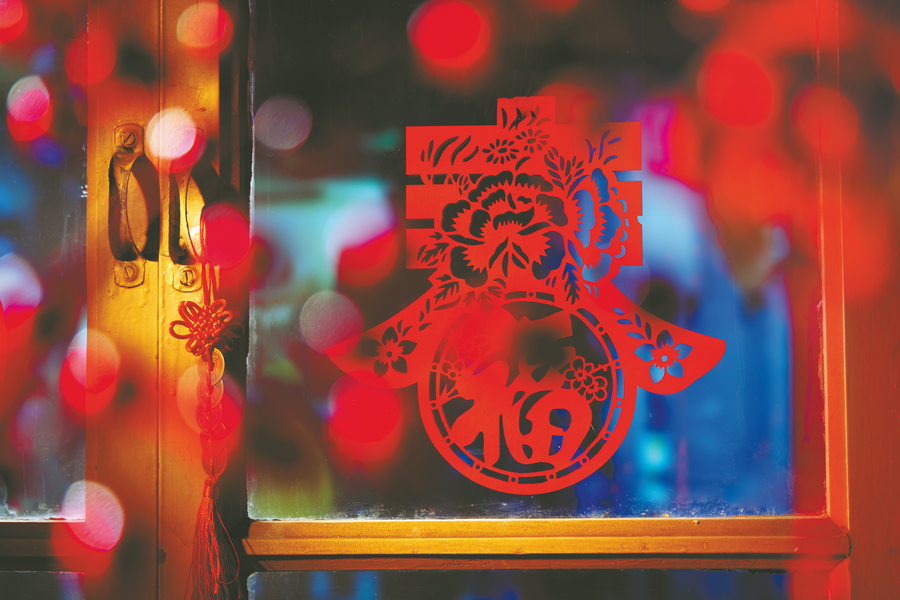
"Amid the crackle of firecrackers, the old year takes flight.
The spring breeze brings warmth, and Tusu wine brings delight.
On countless households, the morning sun gleams.
As fresh peachwood charms take the old ones' place."
In 1069, Wang Anshi, the renowned poet and statesman of the Northern Song Dynasty (960-1127), composed this poem to celebrate the arrival of a new year. Its jovial tone reflected Wang's own lighthearted spirit as he stood on the threshold of sweeping changes he initiated as vice-chancellor of the state.
The poem endures as a timeless expression of hope, memorized and recited by generations of Chinese during the New Year celebrations, including the coming one.
That hope is rooted in a seasonal promise. The traditional Chinese calendar aligns the New Year with the end of winter and the beginning of spring, hence the name "Spring Festival".
At the core of the calendar, which integrates both moon-based (lunar) and sun-based (solar) cycles of timekeeping, is an effort to harmonize agricultural and social practices with the rhythm of nature. The New Year marks the beginning of the farming season, as hope stirs beneath the thawing earth.
The calendar had evolved over thousands of years, so did Chinese New Year traditions. While the New Year begins at the stroke of midnight, the festive celebrations typically extend for weeks, and in certain areas, over a month, commencing days before New Year's Eve.
Everything Wang so vividly recounted — the customs his contemporaries embraced at this time of year — continues to thrive today. Here's the reason: Although China is no longer the agrarian society it once was, the yearning for the return of warmth, the joy of being with loved ones, the bond to the past, and the promise of renewal all endure — each beautifully symbolized by Chinese New Year.


